
MBBS in China 2026: Fees, Top Universities & NMC Rules for Indians
Neha Tripathi
Author
Share this article

Image: King of Hearts, CC BY-SA 4.0 — via Wikimedia Commons
Q6: Is studying MBBS in China worth it? A: Yes, for the right student at the right university. China's approved English-medium medical universities offer modern infrastructure, large teaching hospitals and total costs of approximately Rs 20-40 lakh. The trade-offs are learning Mandarin for patient communication in clinical years and clearing the FMGE afterwards. Stick strictly to universities on China's official English-medium list that meet NMC norms — bilingual programmes create serious recognition risks.
Q7: Is a NEET score required for MBBS in China? A: Yes. Indian students must have qualified NEET before taking admission in China — this is an NMC requirement for later registering as a doctor in India, and Chinese universities admitting Indian students ask for it too. You only need to qualify; most universities do not demand a high score. Without NEET qualification at admission, you cannot sit the FMGE or practise in India.
Q8: Can Indian students get a scholarship for MBBS in China? A: Partial scholarships exist, but a fully free MBBS in China is rare for Indian students. Some universities and provincial schemes offer fee waivers or first-year discounts to international students, usually merit-based and competitive. Most Indian students pay tuition within the approximate ₹20–40 lakh total-cost range. Apply directly through the university's international office, and be wary of agents guaranteeing full scholarships for a fee. By Neha Tripathi
MBBS in China costs an Indian student roughly ₹20–40 lakh for the entire six-year programme (approximate; it varies by university and city) — a fraction of a private medical seat in India — and the degree, earned from the right university, keeps you eligible for the FMGE pathway back home under the National Medical Commission (NMC). That single sentence explains why China has stayed on the shortlist of Indian medical aspirants for two decades.
But China is also a destination where the fine print matters more than the brochure. English-medium classrooms sit next to Mandarin-speaking hospital wards. Only a specific set of universities is authorised to teach international students in English. And the post-pandemic years have changed how carefully you must verify a university before paying a single yuan.
This guide gives you the honest, complete picture — eligibility, realistic costs, universities worth considering, the language reality, and what it actually takes to return and practise in India. For a broader overview of the country as a study destination, see our MBBS in China country page.
🩺 Confused about MBBS abroad? Book free counselling with our experts, find colleges for your NEET score with the MBBS College Predictor, or calculate your total cost.
Why Choose MBBS in China for Indian Students?
China's appeal rests on a few concrete strengths, not marketing gloss.
- Affordable, transparent fees. No donation, no capitation, no management quota. Tuition is published on university websites and paid directly to the university.
- Serious infrastructure. Chinese government medical universities run large teaching hospitals — often with thousands of beds — along with modern anatomy labs, simulation centres and research facilities that compare well with top Indian government colleges.
- Globally listed degrees. The established universities appear in the World Directory of Medical Schools (WDOMS), a basic requirement for the FMGE route and for many licensing exams abroad.
- A structured six-year programme. Typically five years of study plus a 12-month internship, taught to a defined national curriculum.
Now the honest part. China closed its borders to most international students for a long stretch during the pandemic, and the years since have seen some universities scale back or pause English-medium international intake. Enrolment has resumed, but the lesson stands: verify that your shortlisted university is actively admitting international MBBS students this year, directly with its international students' office — not through an agent's word alone.
Eligibility Criteria and NEET Requirement
The baseline requirements are straightforward, but every one of them is non-negotiable.
- NEET qualification is mandatory. Under NMC rules, an Indian student must have qualified NEET-UG to be eligible for registration in India after a foreign MBBS. No NEET, no FMGE — full stop. If you are checking where you stand, our NEET cutoff guide explains qualifying marks category-wise.
- Age: you should be at least 17 years old by 31 December of the admission year.
- Academics: 10+2 with Physics, Chemistry, Biology and English. Most universities ask for a minimum of around 50% aggregate in PCB for general category (approximate; competitive universities such as Fudan or Zhejiang expect substantially higher marks).
- NMC's FMG Licentiate Regulations, 2021 add course-level conditions: the programme must be a minimum of 54 months, taught in English, followed by a 12-month internship in the same foreign institution, and you must become eligible for registration to practise in that country. Read the current NMC advisories before you enrol — these rules decide whether your degree counts in India.
Planning MBBS abroad?
Get a free counselling call — we'll shortlist NMC-approved universities for your NEET score and budget.
Top Medical Universities in China for Indian Students
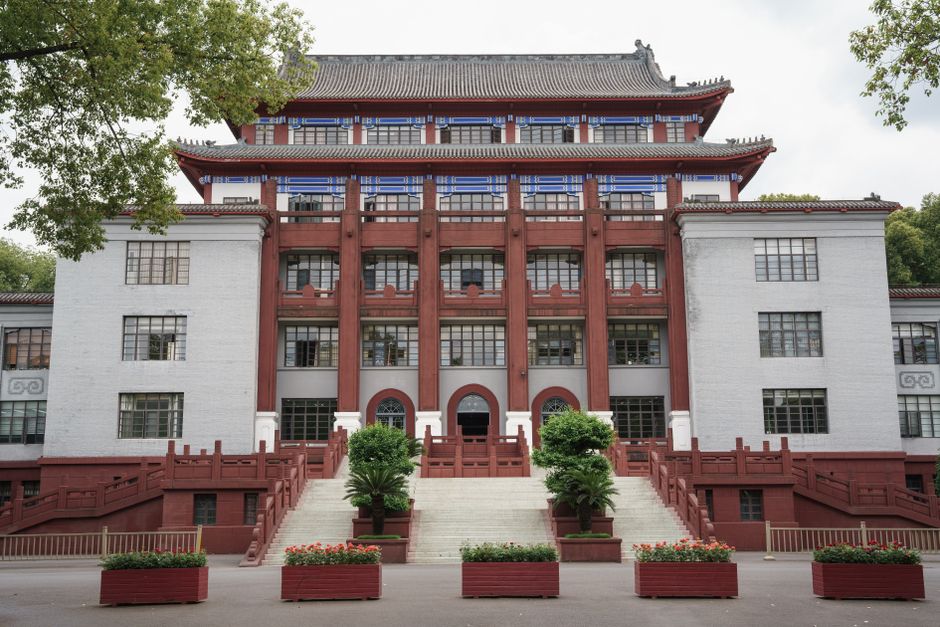
Photo: Oli Liao / Pexels
China's Ministry of Education maintains a list of universities permitted to run English-medium MBBS for international students. Choose only from that list, and cross-check the university against WDOMS and the current NMC-approved colleges list before applying — approvals and intake status change year to year.
Universities that have long taught international students and are well known among Indian aspirants include:
- Fudan University (Shanghai Medical College), Shanghai — among China's most selective universities; admission is genuinely competitive.
- Zhejiang University School of Medicine, Hangzhou — a top-tier research university with major affiliated hospitals.
- Jilin University (Norman Bethune Health Science Centre), Changchun — one of the largest universities in China, with a long history of international MBBS batches.
- China Medical University, Shenyang — one of the earliest Chinese universities to teach medicine to international students in English.
- Xi'an Jiaotong University Health Science Centre, Xi'an — a well-regarded C9-league university with an established international MBBS programme.
- Dalian Medical University, Dalian — popular with Indian students for its coastal campus and sizeable international cohort.
- Jiangsu University, Zhenjiang and Qingdao University, Qingdao — mid-cost options with established international student offices.
We have deliberately not quoted rankings or founding years here — those numbers shift and get misquoted endlessly by agents. Judge a university by its MOE English-medium authorisation, WDOMS listing, teaching hospital size, FMGE outcomes of its alumni, and current intake status.
MBBS in China Fees and Living Costs (2026)
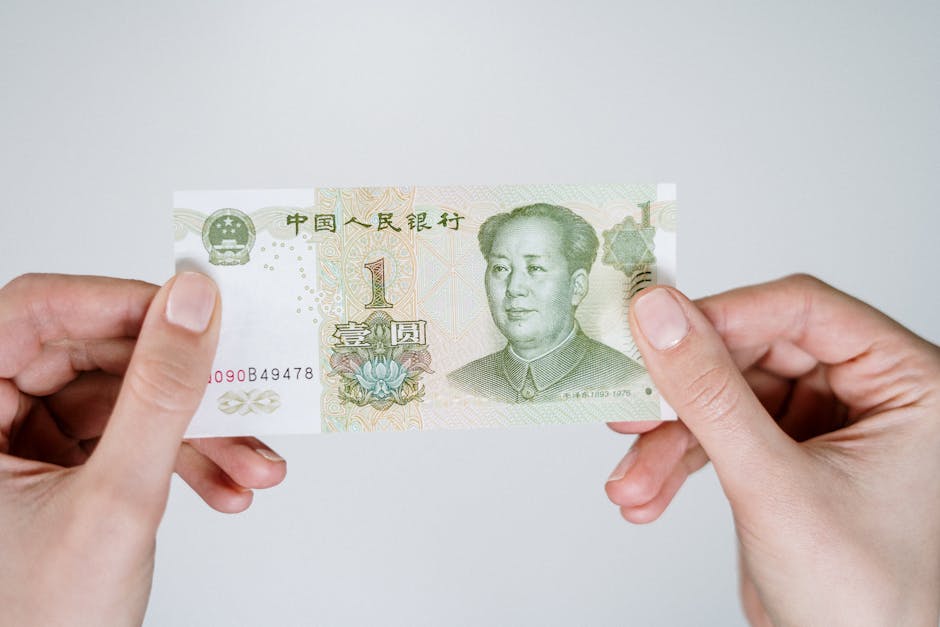
Photo: cottonbro studio / Pexels
All figures below are approximate ranges based on published university fee structures, converted at prevailing exchange rates. Always confirm the exact figure on the university's official website before paying anything.
| Expense head | Approx. annual cost | Approx. six-year total |
|---|---|---|
| Tuition fees | ₹2.5 – 6 lakh | ₹15 – 36 lakh |
| Hostel (university accommodation) | ₹50,000 – 1.5 lakh | ₹3 – 9 lakh |
| Food and daily living | ₹1 – 2 lakh (₹8,000–17,000/month) | ₹6 – 12 lakh |
| Insurance, visa renewal, misc. | ₹25,000 – 50,000 | ₹1.5 – 3 lakh |
| Realistic all-in total | — | ₹20 – 40 lakh (approx.) |
A few practical notes:
- Tier-1 cities cost more. Shanghai and Hangzhou living expenses sit at the top of these ranges; cities like Shenyang, Changchun or Zhenjiang are noticeably cheaper.
- One-time costs — application fee, X1 student visa, airfare, initial deposits — typically add ₹1–2 lakh (approximate) in the first year.
- Scholarships exist but are competitive. Some universities and provincial governments offer partial tuition waivers to international students; treat them as a bonus, never as the basis of your budget.
Medium of Instruction: English Classes, Mandarin Wards

Photo: RDNE Stock project / Pexels
This is the section most brochures skip, so read it twice.
Lectures, textbooks and exams in the authorised programmes are in English. That part is real. But the hospitals where you will do your clinical rotations and internship serve Chinese patients, and patients, nurses and ward staff speak Mandarin.
In practice, this means:
- Mandarin classes are compulsory in the first years of the programme.
- Most universities require you to clear HSK Level 4 (the standard Chinese proficiency exam) before clinical rotations or as a graduation condition.
- Your ability to take a patient history in Mandarin directly decides how much you learn in years four to six. Students who coast through language classes end up observing from the back of the ward instead of examining patients.
Be honest with yourself: if you are not prepared to seriously learn Mandarin, China is the wrong destination for you. Students who embrace the language, on the other hand, often describe their clinical years as the strongest part of the programme.
Admission Process for MBBS in China: Step by Step
The September intake is the main one; applications generally run from November to April–May.
- Shortlist universities from the MOE English-medium list, cross-checked with WDOMS and current NMC advisories.
- Apply online through the university's international students' portal — directly where possible.
- Submit documents: Class 10 and 12 marksheets, NEET scorecard, valid passport, medical fitness certificate, passport-size photos and, for some universities, a statement of purpose. Top universities may also conduct an online interview.
- Receive the admission letter and the JW202 form — the official document you need for the visa.
- Apply for the X1 student visa at the Chinese embassy or a consulate in India.
- Pay fees as per the official letter — directly to the university account, never to an individual.
- Travel, register with the university and convert your visa to a residence permit within the stipulated days of arrival.
There is no separate entrance exam for most universities — your 10+2 marks, NEET result and (where applicable) interview decide admission.
FMGE, NMC Rules and Coming Back to Practise in India
Your Chinese MBBS becomes an Indian medical licence only after you clear the Foreign Medical Graduate Examination (FMGE), conducted twice a year by NBEMS. Our detailed FMGE guide covers the syllabus, pattern and preparation strategy.
Plain truths you should plan around:
- FMGE is genuinely difficult. Pass percentages across all countries have historically stayed low — often in the broad range of one in four candidates per session. Treat FMGE preparation as a parallel track from your second or third year, not an afterthought in year six.
- The NExT exam remains deferred. It has been discussed for years as a possible common exit exam, but as of 2026, FMGE continues to be the screening test for foreign graduates. Plan for FMGE; track official NMC notifications for any change.
- Follow the FMGL 2021 conditions during the course — English medium, 54-month duration, internship at the same institution — because compliance is checked when you seek registration, not when you enrol.
- After clearing FMGE, you complete internship requirements as per prevailing NMC norms and obtain registration with the NMC/State Medical Council.
Pros and Cons of MBBS in China: An Honest Scorecard
Pros
- Low, transparent tuition with no capitation
- Large government teaching hospitals and strong labs
- Structured single-stream 6-year programme (no mid-course medium switch)
- WDOMS-listed universities with decades of international batches
- Safe campuses and well-run international student offices
Cons
- Mandarin is unavoidable for meaningful clinical exposure
- FMGE remains a hard, low-pass-rate hurdle
- Distance and cultural adjustment are real; Indian food and community vary sharply by city
- Top universities (Fudan, Zhejiang) are competitive — average scorers should aim realistically
FAQs on MBBS in China
Q1: Is MBBS in China valid in India? A: Yes — if the university is WDOMS-listed, the programme meets NMC's FMG Licentiate Regulations 2021 (English medium, 54+ months, internship at the same institution), you qualified NEET, and you clear FMGE after returning.
Q2: Is NEET compulsory for MBBS in China? A: Yes. Without NEET qualification you cannot appear for FMGE or register to practise in India, regardless of your Chinese degree.
Q3: What is the total cost of MBBS in China for Indian students? A: Approximately ₹20–40 lakh for the full six years, covering tuition, hostel and living. Tier-1 cities like Shanghai sit at the higher end.
Q4: Do I need to learn Chinese for MBBS in China? A: Yes. Lectures are in English at authorised universities, but hospital rotations happen with Mandarin-speaking patients, and most universities require HSK-4 before or during clinical years.
Q5: How long is MBBS in China? A: Six years — five years of classroom and clinical study plus a compulsory 12-month internship, normally at the same university's affiliated hospital.
MBBS in China rewards students who verify everything and learn the language. Cross-check every university against the current NMC and MOE lists, budget honestly, and start FMGE preparation early — the iAMBBS counselling team works only with verified, currently-enrolling universities.
📍 Planning your MBBS in china? Our complete guide covers every NMC-approved university, real fees, FMGE pass rates and the step-by-step admission process.
Read the complete MBBS in china guide →Get Free Expert Guidance
Our FMGE-qualified counselors will help you choose the right university based on your NEET score and budget.
No spam. Your data is secure. We call during 9 AM - 8 PM IST.
Frequently Asked Questions
About the Author
Neha Tripathi
Neha Tripathi is a content writer at iAMBBS, focused on MBBS-abroad guidance for Indian students — covering NMC-approved universities, fees, FMGE, and admissions.