
MBBS Abroad vs Private Colleges in India: Real Total Cost 2026
Neha Tripathi
Author
Share this article
By Neha Tripathi
If your NEET score will not fetch a government MBBS seat, you are down to two realistic paths: a private or deemed medical college in India, or MBBS abroad. The gap between them is not a few lakh. For most families it is the difference between roughly ₹25–45 lakh and ₹50 lakh to ₹1 crore or more over the full course.
This guide compares every cost head — tuition, hostel, living, travel, one-time charges and the return-to-India licensing cost — so you can weigh like against like. One rule before we begin: every figure here is an indicative 2026 range, not a quotation. Actual costs vary by college, city, quota and exchange rate. The only number that finally matters is the official fee structure you verify in writing before paying anyone.
💡 Plan your budget: Use the free MBBS Cost Calculator to estimate your all-in cost, see which colleges fit with our MBBS College Predictor, or get free counselling from our team.
The Short Answer: How the Totals Compare
- Government MBBS in India often costs only a few lakh rupees for the entire course — which is exactly why the cut-offs are brutal and most aspirants cannot bank on it.
- Private and deemed colleges in India commonly total ₹50 lakh to ₹1 crore-plus across 5.5 years once hostel and living costs are added. NRI-quota seats at deemed universities can go well beyond that.
- MBBS abroad lands at roughly ₹25–45 lakh all-inclusive in many popular NMC-eligible destinations. Costlier routes — private colleges in Bangladesh, some Georgian and European universities — can reach ₹50–70 lakh, still usually below the Indian private bill.
On raw totals, abroad wins for most budgets. What the totals hide is the FMGE screening exam and a longer road to an Indian licence, which we cost out honestly below.
What a Private MBBS Seat in India Really Costs
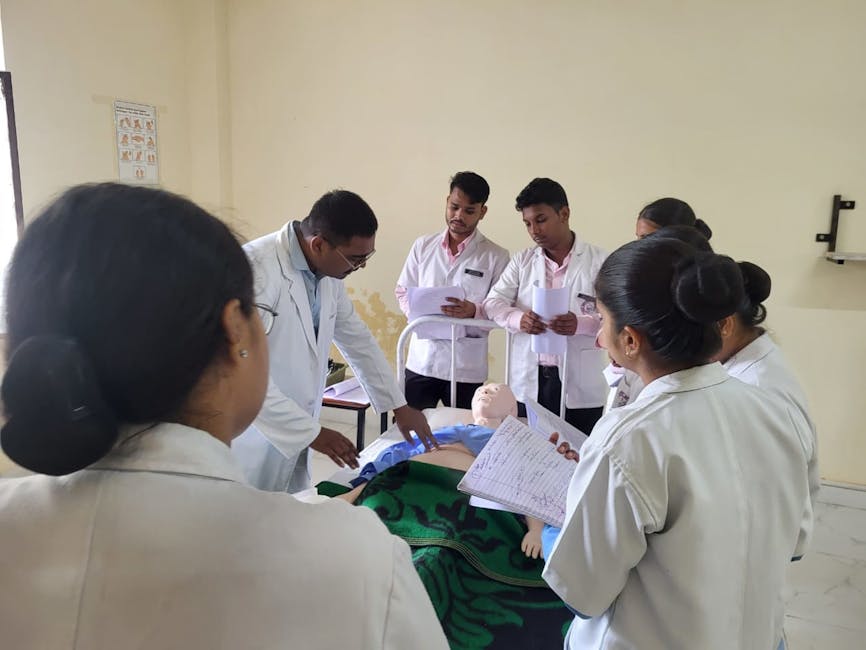
Photo: A K G Group Of Colleges / Pexels
Tuition is the monster line. Management-quota tuition at private and deemed medical colleges commonly runs ₹10–25 lakh per year as an indicative band, and several deemed universities charge above it. State-quota seats in private colleges are fee-regulated and far cheaper, but they demand much better NEET ranks — if you can get one, take it.
On top of tuition, budget for:
- Hostel and mess: roughly ₹1–3 lakh a year, depending on the college and room type.
- Books, instruments, university and exam fees: around ₹50,000–1 lakh a year.
- Personal expenses: ₹1–2 lakh a year in most Indian cities.
- Security deposits and one-time admission charges, usually only partly refundable.
Then the ugly part. Capitation or "donation" demands are illegal, yet they persist in pockets of the private sector. Never pay any amount that does not appear on an official receipt. Beyond the legal risk, undocumented cash is the single biggest hidden cost families report, and it never shows up in any brochure.
Put together, a management-quota private MBBS typically totals ₹50 lakh–₹1 crore+, and NRI-quota routes can comfortably exceed that.
Planning MBBS abroad?
Get a free counselling call — we'll shortlist NMC-approved universities for your NEET score and budget.
What MBBS Abroad Really Costs

Photo: Yan Krukau / Pexels
The same cost heads exist abroad, but the bands are smaller:
- Tuition: roughly ₹3–8 lakh per year in most budget and mid-range destinations such as Russia, Kazakhstan, Uzbekistan and Kyrgyzstan. Georgia, Egypt's private universities and Bangladesh's private colleges generally sit higher.
- Hostel: about ₹50,000–1.5 lakh a year for university hostels; private flats cost more, especially in capital cities.
- Food and living: ₹1–2 lakh a year in most of these countries — comparable to an Indian metro, sometimes cheaper.
- Travel: two to three India trips across the course plus local transport; keep ₹1.5–4 lakh aside for the full duration.
Because tuition abroad is usually priced in dollars or euros, your rupee outgo moves with the exchange rate. A few percent of currency drift, compounded over five to six years, can shift the total by a couple of lakh in either direction — build a buffer for it instead of discovering it in year four.
Two non-negotiables before you pay anyone. First, the university must let you meet the NMC's Foreign Medical Graduate Licentiate Regulations, 2021 — a course of at least 54 months, taught in English, with an internship at the same institution. Second, you must be NEET-qualified. Shortlist only from NMC-eligible universities; a cheap seat at a college that fails these tests is the most expensive mistake in this entire article.
Side-by-Side: The Full-Course Cost Table
All figures are indicative 2026 ranges for comparison, not quotations.
| Cost head | Private/deemed college in India | Popular MBBS-abroad destinations |
|---|---|---|
| Tuition (per year) | ₹10–25 lakh | ₹3–8 lakh |
| Hostel (per year) | ₹1–3 lakh | ₹0.5–1.5 lakh |
| Food and personal (per year) | ₹1–2 lakh | ₹1–2 lakh |
| Travel (full course) | Minimal | ₹1.5–4 lakh |
| One-time costs | Deposits, admission charges | Visa, insurance, documentation, admission |
| Licensing on return | Not applicable | FMGE preparation and attempts: ₹1–3 lakh |
| Full-course total (5–6 years) | ₹50 lakh–₹1 crore+ | ₹25–45 lakh in many destinations; ₹50–70 lakh in pricier ones |
The Costs Nobody Puts in the Brochure
Whichever route you take, a set of smaller items quietly adds a few lakh to the bill:
- Visa, residence permits and renewals abroad, plus mandatory medical insurance every year.
- Document work: apostille, notarisation and translation of certificates for foreign admissions.
- Consultant or service charges. Some counselling is university-funded and free; others charge a lakh or more. Demand a written break-up of what you are paying for, and to whom.
- Winter kit and settling-in costs for cold destinations — a real, one-time expense in places like Russia and Kazakhstan.
- Repeat-year fees. Fail a year — in India or abroad — and you pay that year's tuition and living costs again. No one budgets for this; you should at least know the number.
- Fee revisions. Indian private colleges and foreign universities both revise fees. Get the year-wise schedule in writing at admission.
The FMGE Factor: Budgeting for Your Return to India

Photo: cottonbro studio / Pexels
A foreign medical degree does not by itself let you practise in India. You must clear the FMGE, the screening test conducted twice a year by the National Board of Examinations, and then complete a supervised internship in India before you can register.
Two honest facts belong in your budget:
- FMGE is genuinely hard. In most sessions, historically only about a fifth to a third of candidates clear it. Pick your university partly on how seriously it prepares students for Indian licensing, and prepare through the course rather than in the final six months. Our FMGE guide covers the format, syllabus and a preparation timeline.
- The timeline is longer. Between FMGE attempts and the Indian internship, plan for one to two extra years after graduation before you earn as a registered doctor. Coaching and exam attempts typically add ₹1–3 lakh, and the delayed earning start is a real economic cost even though it never appears on a fee receipt.
A note on NExT: the National Medical Commission has proposed a common National Exit Test, but it remains deferred — as of 2026, FMGE is still the operative screening exam for foreign medical graduates. Plan around FMGE, and be wary of any consultant who promises that NExT is about to change the rules in your favour.
This is the genuine trade-off. A private Indian MBBS costs far more but skips the screening exam entirely and gets you to registration faster. MBBS abroad saves ₹25–50 lakh or more for many families, in exchange for FMGE risk and one to two extra years.
Loans, Scholarships and Family Cash Flow
Most families fund either route partly through education loans, and the sticker totals behave very differently at a bank:
- An abroad total of ₹25–45 lakh is a materially easier sanction than the ₹75 lakh-plus a private Indian seat can demand. Larger loans generally require collateral, so the property question enters the decision earlier than most families expect.
- Interest accrues through the moratorium — five to six years of study plus the licensing period. The amount you finally repay is well above the sticker total, so compare loan-funded totals, not just fee totals.
- Genuine scholarships for MBBS abroad are limited. Treat large "scholarship discounts" in agency brochures as a pricing tactic until you see them confirmed in the university's own offer letter.
- Compare three or four shortlisted universities on the full-course total, not the first-year cost. A cheap first year with steep later-year fees is a classic sales structure. Our calculators can help you line up totals against your budget before you commit.
FAQs: MBBS Cost Comparison
Q1: Is MBBS abroad always cheaper than a private college in India? A: Usually, but not automatically. A regulated state-quota seat in an Indian private college can cost less than an expensive foreign destination. Compare full-course totals for your specific options, including travel, insurance and FMGE preparation, before concluding.
Q2: What is the cheapest realistic total for MBBS abroad in 2026? A: Indicatively, around ₹25–35 lakh all-inclusive in the most affordable NMC-eligible destinations. Be suspicious of packages advertised far below this — the gap usually reappears later as hidden charges, poor hostels or a university that fails NMC's criteria.
Q3: Does NExT replace FMGE in 2026? A: No. NExT remains deferred. As of 2026, foreign medical graduates must clear FMGE and complete an internship in India to practise here.
Q4: Is NEET compulsory for MBBS abroad? A: Yes. NEET qualification is mandatory for Indian students who intend to study medicine abroad and later practise in India.
Q5: Do private Indian colleges have hidden costs too? A: Yes — security deposits, annual fee revisions, exam and university charges, and in the worst cases illegal capitation demands. Insist on official receipts for every rupee, in India just as much as abroad.
Get Free Expert Guidance
Our FMGE-qualified counselors will help you choose the right university based on your NEET score and budget.
No spam. Your data is secure. We call during 9 AM - 8 PM IST.
Frequently Asked Questions
About the Author
Neha Tripathi
Neha Tripathi is a content writer at iAMBBS, focused on MBBS-abroad guidance for Indian students — covering NMC-approved universities, fees, FMGE, and admissions.