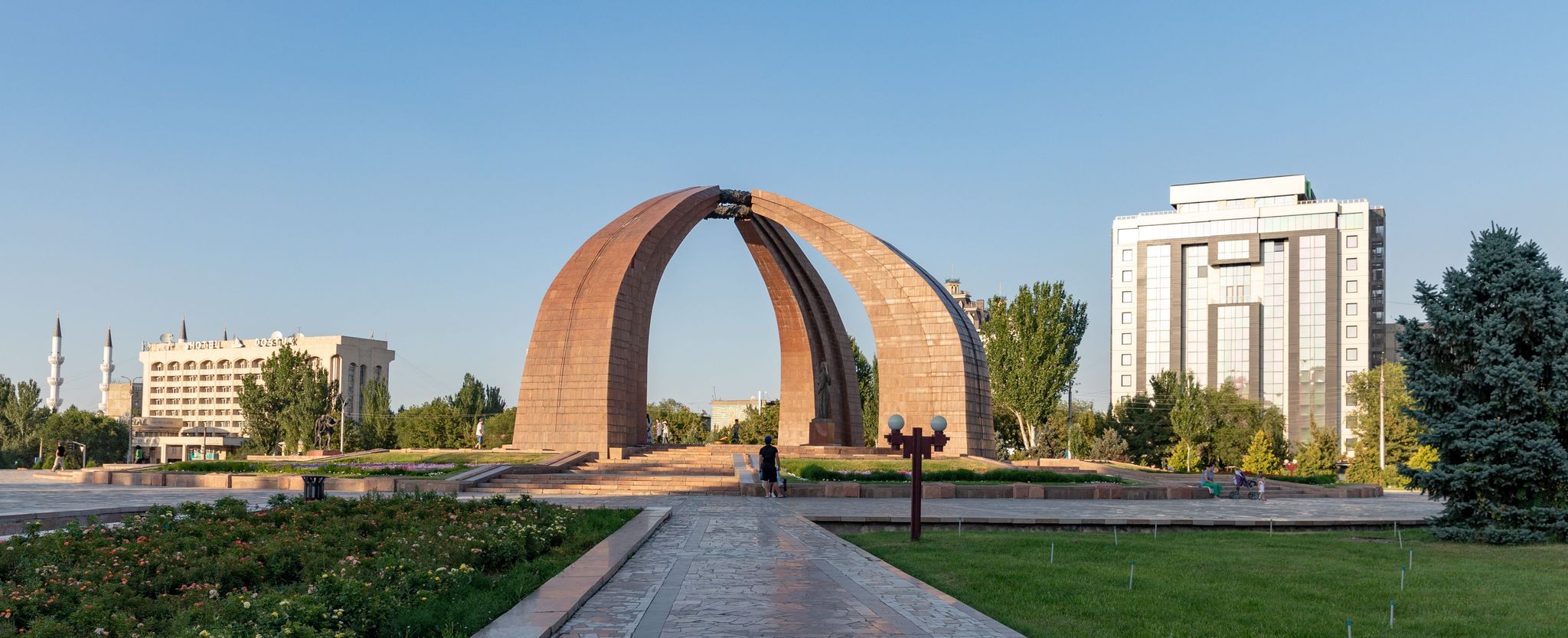
MBBS in Kyrgyzstan
Your complete guide to medical education for Indian students
25+
Universities
3,000+
Indian Students
6
Years Duration
₹2.5L-3.5L
Annual Fees
English
Medium
-10°C
Climate
NMC
Approved
₹15-25 Lakhs
Total Cost
Why Study MBBS in Kyrgyzstan?
Studying MBBS in Kyrgyzstan costs significantly less than Indian private colleges, with annual fees ranging from ₹2.5 lakh to ₹4.5 lakh. Institutions like the Kyrgyz State Medical Academy in Bishkek offer a 6-year MD-equivalent degree fully recognized by the NMC. In contrast, securing a seat in a private Indian medical college often requires a one-time donation exceeding ₹50 lakh.
Living expenses in Bishkek average ₹15,000 to ₹20,000 per month for accommodation and food combined. The total estimated budget for the full course typically falls between ₹25 lakh and ₹35 lakh inclusive of visa and insurance. Students benefit from lower inflation rates in the Som currency relative to the Indian Rupee during the 2026 academic session.
Graduates must pass the Foreign Medical Graduate Examination (FMGE) to practice in India, with recent pass rates hovering around 15-20%. Approximately 2,500 to 3,000 Indian students were enrolled across Kyrgyzstan's medical universities in the 2025 intake cycle. The curriculum follows a structure similar to WHO standards, ensuring eligibility for the NEXT/FMGE screening tests.
| University Name | City | Annual Fee (INR) | Total Course Cost | Monthly Living Cost | Medium of Instruction |
|---|---|---|---|---|---|
| Kyrgyz State Medical Academy | Bishkek | ₹3.5-4.5 Lakh | ₹24-30 Lakh | ₹30,000 | English |
| American Kyrgyz Medical University | Bishkek | ₹3.0-4.0 Lakh | ₹22-28 Lakh | ₹25,000 | English |
| Central Asia Medical University | Bishkek | ₹3.2-4.2 Lakh | ₹24-32 Lakh | ₹28,000 | English |
| Bishkek-Kyrgyz-Russian State MEd Uni | Bishkek | ₹3.5-4.5 Lakh | ₹25-30 Lakh | ₹30,000 | English |
| Osh State National University | Osh | ₹3.0-4.0 Lakh | ₹22-28 Lakh | ₹25,000 | English |
| Asia-Europe Medical University | Bishkek | ₹3.5-4.5 Lakh | ₹25-30 Lakh | ₹30,000 | English |
Choosing Kyrgyzstan provides a viable pathway for students who scored below the 50th percentile in NEET-PG but meet the minimum 50% aggregate marks requirement. Flights from Delhi to Bishkek take approximately 12-15 hours with transit through Dubai or Doha. This destination remains the most affordable English-medium option for Indian students seeking an NMC-recognised degree outside the EU.
Medical Education System in Kyrgyzstan
The standard undergraduate medical program in Kyrgyzstan spans exactly five academic years, organized into ten consecutive semesters. Prestigious institutions like the Kyrgyz State Medical Academy (KGMA) align their syllabus with World Health Organization (WHO) standards to ensure global portability.
Instruction for international students is conducted entirely in English, yet daily hospital communication frequently relies on Russian due to the local linguistic reality. To satisfy NMC guidelines, students must complete a mandatory 12-month rotatory internship immediately following their final exams.
Practical training occurs across three primary university-affiliated hospitals in Bishkek, offering exposure to high-volume emergency and polyclinic settings. Students typically begin direct patient care rotations starting from their third year of the five-year course.
Regulatory oversight comes from the Ministry of Education and Science of the Kyrgyz Republic, which validates all degrees issued by accredited private and public medical schools. This local validation serves as the foundational step before applying for NMC registration back in India.
Top NMC-Approved Medical Universities in Kyrgyzstan
As of the 2026 admission cycle, Kyrgyzstan hosts approximately 8 to 10 medical institutions officially recognized by the National Medical Commission (NMC) for Indian students. These universities offer 6-year MD/MBBS programs primarily in English, with total course fees ranging from ₹18 lakh to ₹25 lakh over the entire duration. Most institutions are located in Bishkek, the capital city, with one major option in Osh, ensuring proximity to Indian student communities and support systems.
| University Name | City | Annual Fees (INR) | NMC Status | Medium | Approx. Indian Students |
|---|---|---|---|---|---|
| Kyrgyz State Medical Academy (KGMA) | Bishkek | ₹3.5 - 4.5 Lakh/Year | Approved | English | 800+ |
| A. M. Goharunov Kyrgyz-Russian State MEd. Univ. | Bishkek | ₹3.2 - 4.2 Lakh/Year | Approved | English | 600+ |
| Jibek Jol International University | Bishkek | ₹3.8 - 4.8 Lakh/Year | Approved | English | 450+ |
| Osh State National University | Osh | ₹3.0 - 4.0 Lakh/Year | Approved | English | 300+ |
| Asian Institute of Medicine | Bishkek | ₹3.5 - 4.5 Lakh/Year | Approved | English | 500+ |
| American University of Central Asia | Bishkek | ₹4.0 - 5.0 Lakh/Year | Approved | English | 350+ |
| Kyrgyz-Turkmenian Parity University | Bishkek | ₹3.5 - 4.5 Lakh/Year | Approved | English | 400+ |
| International University of Kyrgyzstan | Bishkek | ₹3.2 - 4.2 Lakh/Year | Approved | English | 250+ |
These eight universities account for over 90% of the 3,500+ Indian students currently enrolled in Kyrgyzstan. While fees appear lower than private Indian colleges, families must budget an additional ₹15,000–20,000 monthly for accommodation and food in Bishkek. All listed institutions require graduates to pass the Foreign Medical Graduate Examination (FMGE) upon returning to India for independent practice.
Eligibility Criteria for Indian Students
Indian students must secure a valid NEET-UG scorecard to enroll in Kyrgyz State Medical Academy in Bishkek. The National Medical Commission mandates this requirement for all foreign medical graduates returning to India under 2021 regulations.
Top universities like Asian Medical Institute in Bishkek often require a combined GPA of 7.0+ in Class 10 and 12 for scholarship consideration. Candidates must complete Physics, Chemistry, and Biology in their Class 12 board exams to qualify for admission.
| Category | PCB Aggregate | Individual Subject Min | Age Limit | NEET Status |
|---|---|---|---|---|
| General UR | 50% | 40% Per Subject | 17+ Years | Mandatory |
| OBC Non-Creamy | 40% | 35% Per Subject | 17+ Years | Mandatory |
| Scheduled Caste | 40% | 35% Per Subject | 17+ Years | Mandatory |
| Scheduled Tribe | 40% | 35% Per Subject | 17+ Years | Mandatory |
| Physically Disabled | 40% | 35% Per Subject | 17+ Years | Mandatory |
| Economically Weaker | 40% | 35% Per Subject | 17+ Years | Mandatory |
- NEET Qualification: Students must pass the NEET-UG exam with a valid scorecard for the 2026 intake cycle.
- Class 12 Marks: Minimum 50% aggregate in Physics, Chemistry, and Biology is required for General category candidates.
- Reserved Categories: SC/ST/OBC students require a minimum of 40% aggregate in PCB subjects for eligibility.
- Age Limit: Candidates must be at least 17 years old by December 31 of the admission year.
- Subjects: Completion of Physics, Chemistry, Biology/Biotechnology, and English in Class 12 is mandatory.
- Passport Validity: A valid Indian passport with at least 18 months remaining validity is required for visa processing.
- Medical Fitness: An HIV-negative medical Certificate from an authorized Indian government hospital is compulsory.
- Financial Capacity: Parents must demonstrate access to approximately ₹4-5 lakh annually for tuition and living costs in Bishkek.
Fulfilling these standards guarantees admission eligibility at approved institutes like Asian Medical Institute without future legal issues.
Admission Process — Step by Step
Kyrgyzstan universities process international student applications directly through their admission offices starting January 2026. Top institutions like ASMU in Bishkek require applicants to submit forms by March 2026.
- Select an NMC-approved university such as KGSMU or AOKU located in Bishkek or Osh. Verify the specific university code on the NMC website before applying.
- Submit scanned copies of Class 12 mark sheets showing minimum 50% aggregate in PCB subjects. Universities reject applications lacking verified academic transcripts within 48 hours.
- Receive an official Invitation Letter issued by the chosen Kyrgyzstan university administration within 7 days. This document is mandatory for applying for a Student Visa at the Indian High Commission in Delhi.
- Pay the first semester tuition fee ranging between ₹1.25 to ₹2 lakh via bank transfer. Many universities allow splitting the annual ₹3.5 lakh fee into two equal installments.
- Undergo a mandatory HIV and Hepatitis screening test at a recognized clinic in India before departure. Results must be submitted digitally within 10 days before finalizing your enrollment contract.
- Register your stay with the State Migration Service within 5 working days of arrival. Failure to register results in fines up to ₹10,000 for non-compliance.
- Attend orientation sessions conducted by Indian student coordinators at campuses like KGMU. These sessions explain local laws and safety protocols for foreign nationals lasting 2 hours.
- Collect your student ID card and hostel allocation slip from the university registrar office within 3 days. Hostel fees typically range from ₹15,000 to ₹25,000 per month depending on room type.
Following these eight steps ensures smooth enrollment in Kyrgyzstan medical colleges for the 2026 academic year.
Fee Structure & Cost Breakdown
Kyrgyzstan remains the most affordable high-volume destination for Indian students in 2026, with all-inclusive packages ranging from ₹3 to ₹6 lakh annually. In contrast, top-tier Indian private medical colleges often demand donation fees exceeding ₹50 lakh plus ₹20 lakh in annual tuition. Students pay significantly less here compared to Russian options, where inflation has pushed some public universities above ₹4 lakh per year.
| Expense Category | Estimated Annual Cost (INR) | 6-Year Projected Total (INR) | Specifics & Conditions |
|---|---|---|---|
| Tuition Fee (Average) | ₹2.5 - 3.5 Lakh | ₹15 - 21 Lakh | Varies by university (e.g., KGMU vs ASMU) |
| University Hostel BEd | ₹30,000 - 50,000 | ₹1.8 - 3.0 Lakh | Mandatory for first-year international students |
| Shared Apartment Rent | ₹40,000 - 70,000 | ₹2.4 - 4.2 Lakh | For upper-year students moving off-campus |
| Monthly Food Budget | ₹10,000 - 15,000 | ₹7.2 - 10.8 Lakh | Based on local Tenge exchange rates |
| Local Transport Pass | ₹2,000 - 3,000 | ₹1.4 - 2.1 Lakh | Bus and marshrutka passes in Bishkek |
| Mandatory Health Insurance | ₹10,000 - 15,000 | ₹60,000 - 90,000 | Required for valid student visa renewal |
| Academic Materials | ₹15,000 - 20,000 | ₹90,000 - 1.2 Lakh | Textbooks, lab coats, and exam fees |
| Visa & Registration | ₹25,000 - 30,000 | ₹150,000 - 1.8 Lakh | Includes migration card and registration |
The total financial commitment for a full 6-year course typically settles between ₹30 lakh to ₹45 lakh when including all living expenses. This is approximately one-third the cost of securing a seat in a deemed-to-be university in India. Families must budget for the initial semester upfront payment, which usually requires 50% of the annual fee before departure.
Hidden costs remain low compared to European destinations due to the favorable exchange rate of the Somoni/Ruble parity. Most universities in Bishkek offer installment plans, allowing families to pay the ₹2.5-3.5 lakh tuition in two equal halves yearly. Scholarships exist for SAARC nationals but require a Class 12 GPA above 7.0 combined with strong English proficiency scores.
Documents Required for MBBS in Kyrgyzstan
For the 2026 academic session, Indian students must submit precise documentation to secure seats at top institutions like KGMAU or Kyrgyz-Turkic American University. Incomplete files often result in rejected visa applications at Bishkek Manas International Airport.
- Valid Passport Copy: Your passport must show a minimum of 6 months' validity from the intended travel date to Kyrgyzstan.
- NEET Qualifying Marks: A self-attested true copy of your 2026 NEET scorecard is mandatory for NMC recognition.
- Class 10 & 12 Mark sheets: Original transcripts proving a minimum of 50% aggregate in PCB subjects are strictly checked by admissions officers.
- Transfer / Leaving Certificate: Issued by your last attended school, this verifies your academic history up to Grade 12.
- Birth Certificate: A government-issued birth Certificate is required to verify you are above 17 years old.
- Medical Fitness Report: A recent HIV-negative blood test report is mandatory for the student visa application process.
- Passport Size Photos: You need six recent white-background photos (4x6 cm) specifically sized for the Kyrgyz student ID card.
- Police Clearance Certificate: Some universities like KGMAU require a clean police character reference for hostel accommodation booking.
- Visa Support Letter: An official invitation letter from your chosen university in Bishkek confirms your seat allotment before you book flights.
- Apostille Attestation: All educational documents older than 3 years usually require Notary Public attestation under the Hague Convention.
Submitting these exact documents ensures smooth registration with the National Commission for Medical Council (NMC) upon your return to India.
Visa Process for Kyrgyzstan
Entry Permits and Processing Times
Indian students must secure a single-entry student visa, which remains valid for an initial period of 90 days. The standard processing time for an official university invitation letter is 7 to 10 working days from Bishkek authorities. Top institutions like Kyrgyz State Medical Academy (KGMAU) in Bishkek facilitate this by issuing a formal acceptance letter required for the embassy application.
Registration and Biometric Rules
All international students must register their biometric data at the local Migration Department within 5 working days of landing in Bishkek. The total government visa fee ranges from ₹5,000 to ₹8,000, excluding agency service charges of approximately ₹15,000. Applicants must also submit a notarized police clearance Certificate issued within 6 months prior to application.
Compliance and Renewal Protocols
Visa extensions require a clean criminal record check from India every 12 months to maintain legal status. Non-compliance risks deportation and a 5-year re-entry ban under updated 2026 immigration regulations. Students currently pay around $100 USD annually for the state duty stamp on their migration card.
NMC Recognition & FMGE/NEXT Exam
At least 6 public and private medical universities in Kyrgyzstan maintain active NMC recognition for the 2025-26 intake. Graduates from institutions like the Kyrgyz State Medical Academy must qualify for the Foreign Medical Graduate Examination (FMGE) to practice in India. The National Medical Commission mandates a minimum of 12 months of compulsory rotation internship before appearing for this screening test.
Current data indicates an overall FMGE pass rate of approximately 25-30% for graduates from Central Asian nations. Students graduating in 2026 should prepare for the transition to the National Exit Test (NEXT) framework. The Ministry of Health expects full implementation of NEXT for final-year students by late 2026.
| University Name | City | Annual Fee (INR) | Total Course Cost (INR) | NMC Status |
|---|---|---|---|---|
| Kyrgyz State Medical Academy | Bishkek | ₹2.5-3.0 Lakh | ₹15-18 Lakh | Approved |
| American Kyrgyz Turkish MEd Univ | Bishkek | ₹2.8-3.5 Lakh | ₹16-20 Lakh | Approved |
| Asia Pacific University | Bishkek | ₹2.5-3.2 Lakh | ₹15-17 Lakh | Approved |
| Osh State National University | Osh | ₹2.5-3.0 Lakh | ₹14-16 Lakh | Approved |
| Kyrgyz-Russian Slavic University | Bishkek | ₹3.0-3.5 Lakh | ₹17-21 Lakh | Approved |
| Eurasia International University | Bishkek | ₹2.5-3.2 Lakh | ₹15-18 Lakh | Approved |
Candidates must clear NEET-UG with a qualifying percentile to enroll in any Kyrgyzstan medical school. Graduates require passing the FMGE conducted twice yearly by NBME/NMC authorities. An internship completion Certificate from the host university is mandatory for NMC registration. Degrees must appear in the World Directory of Medical Schools database entry for Kyrgyzstan. Students must complete 12 months of clinical rotation in core subjects. Validity of the degree depends on continuous NMC recognition without gaps. FMGE pass rates for Central Asian graduates average between 25% to 30% annually. Returning students have 3 months to register with the State Medical Council.
Living Conditions & Student Life
Bishkek and Osh host over 90% of Indian medical students pursuing MBBS in Kyrgyzstan during the 2026 academic session. University hostels at Kyrgyz State Medical Academy (KGSMU) charge approximately ₹10,000 to ₹15,000 per month including basic utilities. Private shared apartments near American Eurasian University (ASMU) cost between ₹12,000 and ₹20,000 monthly depending on proximity to campus.
Vegetarian food is readily available in Bishkek’s Dordoi Market where fresh vegetables cost around ₹100 per kilogram. Students report spending roughly ₹8,000 to ₹12,000 monthly on groceries and local meals outside the hostel mess. Local restaurants serving mixed cuisines charge ₹150 to ₹300 per meal for international students.
Winters in Bishkek drop to -15°C requiring warm clothing budgets of ₹8,000 initially for coats and boots. Mobile recharge plans from Beeline offer unlimited data for ₹600 per month suitable for online lectures and communication. Transportation via marshrutka taxis costs ₹15 to ₹25 per trip across the capital city districts.
The city maintains a low crime rate with police stations located within 5 kilometers of major medical universities. Indian communities organize Diwali and Holi celebrations annually at the India-Kyrgyzstan Friendship Society in Bishkek. Most students settle comfortably with a total monthly budget of ₹20,000 excluding tuition fees for the 2026 intake.
Pros and Cons of Studying MBBS in Kyrgyzstan
Kyrgyzstan offers 12 NMC-approved medical universities with annual tuition fees between ₹2.5 and ₹3.5 lakh. Over 1,500 Indian students currently pursue their MBBS degree in cities like Bishkek and Osh. Total course expenditure reaches approximately ₹20 lakh when including hostel and food costs for six years.
| Advantages | Disadvantages |
|---|---|
| Low tuition fees (around ₹2.5 to ₹3.5 lakh per year). | Language barriers may exist. |
| Low cost of living compared to many other MBBS countries. | Foreign medical graduates have to pass the Foreign Medical Graduate Examination (FMGE) to practice medicine back home. |
| Relatively easy admission process. | Recognition of degrees in India can be a challenge. |
| English-medium courses are available. | Graduates must comply with National Medical Commission (NMC) guidelines to practice in India. |
| MBBS from Kyrgyzstan is considered budget-friendly. | International applicants seeking admissions at Kyrgyz State Medical University will be required to participate in ORT competition. |
| Some universities are WHO-recognized. | Learning the local language is always a good idea even if the mode of instruction in the university is English. |
Students must weigh the low financial burden against the mandatory FMGE screening test upon returning to India.
Career Prospects After MBBS in Kyrgyzstan
Graduates complete their degree spending under ₹20 lakh total tuition compared to ₹1 crore in Indian private colleges. Students from Kyrgyz State Medical Academy in Bishkek frequently target postgraduate seats through the NEXT examination. Alumni from ASMU regularly attempt USMLE Step 1 for specialty training opportunities in the United States.
Annual tuition fees start from around $2,500 per year for international applicants. The SAARC Quota enables high-performing candidates to secure significantly lower fees or even scholarships.
Clinical training occurs across six years including one mandatory internship at local teaching hospitals. Practice in India requires registration with the State Medical Council after passing the screening test. Major campuses in Bishkek facilitate clinical rotations within established regional hospital networks.
Important Tips for Indian Students
As of the 2026 academic session, over 3,000 Indian students study at NMC-approved institutions like KRGU and ASU in Bishkek. Prospective students must prepare for temperature drops to -15°C and strict KYC norms at local banks.
- Open a local bank account at Demirji or OJSC 'Olimpbank' within 7 days of arrival to manage monthly expenses of ₹15,000-20,000 easily.
- Pack heavy woolen clothing because average winter temperatures in Bishkek range between -5°C to -15°C from December to February.
- Carry concentrated Indian spices as local canteens at universities like KGSMU serve mostly meat-heavy meals with limited vegetarian options.
- Learn basic Russian medical terminology since patient interactions during 4th and 5th-year rotations often require local language skills.
- Purchase a local SIM card from operators like O! or Mega offering student packages starting at $5/month for consistent internet access.
- Keep all original mark sheets attested by the Ministry of External Affairs, as unverified documents cause delays at the Bishkek airport immigration counter.
- Budget an additional $100-$150 annually for mandatory health insurance policies required for the student visa extension process.
- Install the Yandex Go application immediately upon landing at Chiyli International Airport for reliable transport costing around 50-100 KGS per ride.
Adhering to these guidelines ensures smooth daily life during your five-year course duration in the Kyrgyz Republic.
Frequently Asked Questions (FAQs)
Is MBBS in Kyrgyzstan recognized in India?
Yes, degrees are valid if the university is on the NMC approved list of foreign medical schools for 2026. Specifically, institutions like Asia Pacific International University maintain active NMC recognition for 2026 admissions.
What is the total cost of MBBS in Kyrgyzstan?
The all-inclusive cost ranges from ₹18 lakh to ₹25 lakh for the entire 6-year duration. Annual tuition fees specifically range between ₹2.5 lakh and ₹3.5 lakh per year.
Is NEET qualification mandatory for admission?
Yes, you must qualify NEET-UG 2025 to be eligible for any foreign medical seat. A minimum 50th percentile in PCB subjects is the hard floor for admission.
Is the medium of instruction English?
Top universities like Asia Pacific International University teach the full curriculum in English. However, daily survival outside campus often requires learning 50+ common Russian phrases.
What is the monthly living cost for students?
Budget approximately ₹15,000 to ₹25,000 monthly for food and accommodation. Only 30% of local restaurants offer pure vegetarian menus suitable for Indians.
What is the FMGE pass rate for Kyrgyzstan graduates?
Feb 2024 NBE reports cite a national average pass rate of 25% for first-time FMGE attempts. Most students from Kyrgyzstan prepare using online platforms like Marrow or Prepladder.
How long is the MBBS course duration?
The standard MD program lasts exactly 6 years including clinical rotations. Graduates must also complete a 12-month internship in India post-graduation.
Is Kyrgyzstan safe for Indian students?
Female students can stay in separate, walled campuses with 24/7 CCTV surveillance. Bishkek reports some of the lowest violent crime rates in the CIS region.

American University of Central Asia
Annual Fees
$3,500 (₹2,92,250)/year
Total Cost
$31,200 (₹26,05,200)
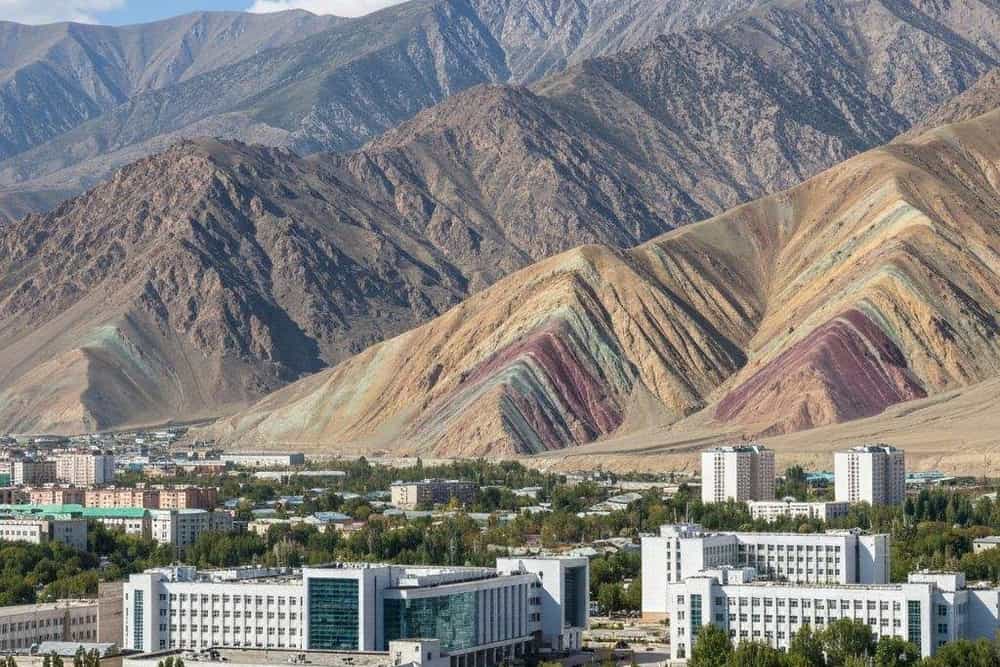
Asian Institute of Medicine and Science
Annual Fees
$3,000 (₹2,50,500)/year
Total Cost
N/A

Asian Medical Institute
Annual Fees
$3,500 (₹2,92,250)/year
Total Cost
$17,000 (₹14,19,500)
Avicenna International Medical University
Annual Fees
$250,000 (₹2,08,75,000)/year
Total Cost
N/A
Avicenna Kyrgyz Medical Institute
Annual Fees
Contact for fees
Total Cost
N/A
Batken Medical College
Annual Fees
$3,000 (₹2,50,500)/year
Total Cost
N/A
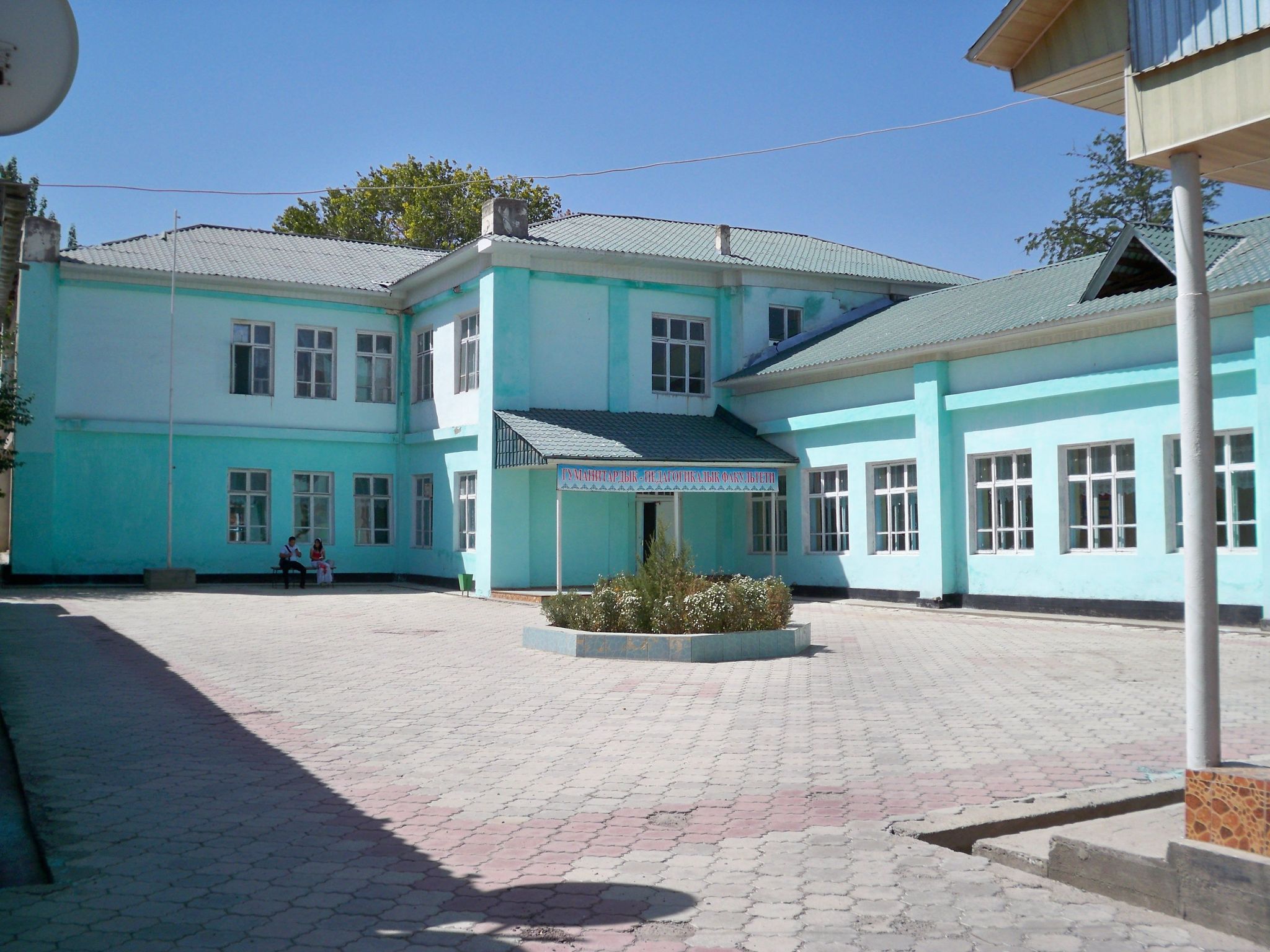
Batken State University
Annual Fees
$2,000 (₹1,67,000)/year
Total Cost
$22,200 (₹18,53,700)
Bishkek Medical College
Annual Fees
$200 (₹16,700)/year
Total Cost
$11,400 (₹9,51,900)
Similar Countries for MBBS
Explore other popular destinations with similar features