MBBS in Russia
Your complete guide to medical education for Indian students
25+
Universities
15,000+
Indian Students
6
Years Duration
₹3.5L-5L
Annual Fees
English
Medium
-20°C
Climate
NMC
Approved
₹25-35 Lakhs
Total Cost
Why Study MBBS in Russia for Indian Students?
Russia hosts 54 NMC-approved medical universities recognized by the World Health Organization. Over 20,000 international students enroll in these institutions annually according to Statista data.
Tuition ranges from ₹3.12 lakh to ₹5.4 lakh yearly without requiring entrance donations. This contrasts sharply with Indian private colleges demanding ₹50 lakh to ₹1.2 crore capitation fees.
Premier institutes like Sechenov First Moscow State Medical University offer English-medium programs without IELTS scores. Graduates access recruitment networks including SberHealth and Human Stem Cells Institute PJSC.
| Category | 2026 Data Point |
|---|---|
| NMC Approved Universities | 54 Institutions |
| Annual International Intake | 20,000+ Students |
| Tuition Fee (USD) | $3,500 - $6,000 / Year |
| Tuition Fee (INR) | ₹3.12 L - ₹5.4 L / Year |
| Program Duration | 6 Years Total |
| Language Requirement | English (No IELTS) |
| Major Recruiters | SberHealth, Sechenov |
| Currency Exchange | 1 RUB ≈ 0.9 INR |
- 54 NMC-approved universities ensure eligibility for FMGE screening tests in India.
- Over 20,000 annual intakes confirm stable educational infrastructure for safety.
- Zero capitation fees save families ₹50 lakh compared to Indian private colleges.
- Sechenov University provides direct access to specialized medical recruiters.
- English-medium programs eliminate the need for TOEFL or IELTS scores.
- Six-year curriculum aligns perfectly with Indian medical education timelines.
- WDOMS listing enables graduates to pursue USMLE or PLAB exams later.
- 1 RUB equals 0.9 INR keeps daily living expenses comparable to home.
Medical Education System in Russia
The standard medical curriculum in Russia spans exactly six years, including a mandatory one-year internship. Graduates receive an MD (Doctor of Medicine) degree equivalent to the Indian MBBS qualification under NMC guidelines.
Institutions like Sechenov First Moscow State Medical University deliver lectures in English during the first three pre-clinical years. Students must learn basic Russian medical terminology by the fourth year to interact with patients during clinical rotations.
The academic calendar follows a semester system with two sessions running from September to June annually for the 2026 intake. Final licensing examinations occur at the end of the sixth year before students receive their Diploma.
Clinical training involves direct patient interaction in affiliated hospitals across Moscow and ST. Petersburg regions. Mandatory internship rotations require students to work shifts under senior doctor supervision for twelve months.
Top NMC-Approved Medical Universities in Russia
Russia currently hosts over 54 NMC-recognized medical universities, making IT one of the top three destinations globally for Indian MBBS aspirants. Average annual tuition ranges from ₹3.5 lakh to ₹5.5 lakh, significantly lower than private Indian medical colleges charging ₹20 lakh plus donations. The 2026 academic session maintains stable exchange rates where 1 USD converts to approximately ₹83, keeping living costs predictable for Indian families.
| University Name | City | Annual Fees (₹) | NMC Status | Medium | Hostel |
|---|---|---|---|---|---|
| I.M. Sechenov First MSUM | Moscow | ₹4.0-5.5 Lakh | Approved | English | Yes |
| Pirogov Russian National Research Medical University | Moscow | ₹3.8-5.0 Lakh | Approved | English | Yes |
| Peoples' Friendship University of Russia (RUDN) | Moscow | ₹3.5-4.5 Lakh | Approved | English | Yes |
| Kuban State Medical University | Krasnodar | ₹3.2-4.2 Lakh | Approved | English | Yes |
| Altai State Medical University | Barnaul | ₹3.0-4.0 Lakh | Approved | English | Yes |
| Far Eastern Federal University | Vladivostok | ₹3.5-4.5 Lakh | Approved | English | Yes |
| North-Western Branch of M.G. Kharkov | ST. Petersburg | ₹3.5-4.5 Lakh | Approved | English | Yes |
| Bashkir State Medical University | Ufa | ₹3.0-4.0 Lakh | Approved | English | Yes |
| Tver State Medical Academy | Tver | ₹3.2-4.2 Lakh | Approved | English | Yes |
| South Ural State University | Chelyabinsk | ₹3.0-4.0 Lakh | Approved | English | Yes |
These ten universities represent the most popular choices because they consistently maintain high FMGE pass rates compared to newer institutions. For example, graduates from Sechenov and Pirogov report strong clinical exposure due to attached government hospitals in Moscow. Students should verify the latest NMC approval status before paying any admission token, as regulations update annually.
Living expenses outside of Moscow average ₹8,000 to ₹12,000 monthly, while Moscow itself may require ₹15,000 to ₹20,000 for shared accommodation. Most listed universities provide on-campus hostels with vegetarian-friendly mess options specifically catering to Indian dietary laws. This infrastructure supports the 20,000+ international students already enrolled across the country.
Eligibility Criteria for Indian Students
Indian students must secure a valid NEET-UG 2026 qualification to enter Russian medical schools. The National Medical Commission enforces this rule for all international graduates practicing in India.
- Applicants must complete 17 years of age by December 31, 2026, according to Russian Ministry of Science and Higher Education rules.
- General category candidates require a minimum 50% aggregate in Physics, Chemistry, and Biology in Class 12 board exams.
- SC/ST/OBC candidates qualify with 40% aggregate marks in PCB subjects under NMC FMG Regulations 2021.
- A valid NEET-UG rank card is mandatory even for universities like Sechenov First Moscow State Medical University.
- Students must have studied Physics, Chemistry, Biology, and English as core subjects in their 10+2 curriculum.
- English-medium programs at Kazan Federal University do not require IELTS scores for initial admission.
- Russian student visas mandate a negative HIV/AIDS test report from an authorized Indian government lab.
- Students scoring above 90% in Class 12 may receive partial tuition waivers worth ₹1 lakh annually at RUDN University.
Compliance with these standards guarantees legal study status under Russian Federal Law No. 273-FZ.
Admission Process — Step by Step
Russia processes over 20,000 international student applications annually for the June and November intakes. Follow this precise 8-step workflow to secure your seat for the 2026 academic session.
-
Verify NEET-UG Qualification Enter your valid NEET roll number into the university's admission portal during registration. Without a passing NEET score, the degree will not be recognized by the NMC for practice in India.
-
Create Official Applicant Profile Register on the official website of your chosen university, such as I.M. Sechenov First Moscow State Medical University. Ensure the name matches your passport details character-for-character to avoid visa rejections later.
-
Submit Academic Transcripts Upload Class 10th and 12th mark sheets proving a minimum aggregate of 50% in Physics, Chemistry, and Biology. Incomplete transcripts delay the initial review process by an average of 14 working days.
-
Pay Token Security Deposit Transfer a non-refundable token of approximately ₹45,000 to reserve a spot while the final admission letter is processed. This amount is usually adjustable against the first semester's fee structure of ₹3.5 Lakhs.
-
Collect Provisional Admission Letter Download the provisional letter within 7 working days of document verification. This letter serves as the primary document for the Type C student visa application.
-
Schedule Pre-Departure Health Check Visit an empanelled hospital for the mandatory HIV and Hepatitis screening required for the Russian residence permit. Medical reports older than 3 months from the date of testing are generally not accepted by immigration.
-
Secure Mandatory Travel Insurance Purchase travel insurance covering a minimum liability of ₹40,00,000 as per Russian federal migration regulations. Keep the policy active for the entire duration of your initial 6-month student visa.
-
Finalize Physical Enrollment Ensure all original hard copies reach the university registrar at least 15 days before the semester start date. Late submissions require a fresh application cycle for the following June intake.
Fee Structure & Cost Breakdown for MBBS in Russia (2026)
Russia offers MBBS tuition between ₹3.12 lakh and ₹5.4 lakh annually for 2026 admissions. Top institutions like Sechenov University charge higher fees compared to regional universities in Kazan or Omsk. Total expenditure for six years typically ranges from ₹25 lakh to ₹40 lakh including living expenses. Parents must budget for currency fluctuation risks between the Indian Rupee and US Dollar.
| Expense Category | Annual Cost (₹) | Total 6-Year Cost (₹) | Notes (Details & Considerations) |
|---|---|---|---|
| Tuition Fee (Regional Universities) | ₹3.12 Lakh | ₹18.72 Lakh | Based on $3,500 exchange rate at 89 INR/USD |
| Tuition Fee (Metro Cities) | ₹5.4 Lakh | ₹32.4 Lakh | Based on $6,000 exchange rate for Moscow/ST. Petersburg |
| Hostel Accommodation | ₹60,000 | ₹3.6 Lakh | Single room in Moscow/Kazan dormitories |
| Food & Mess Charges | ₹40,000 | ₹2.4 Lakh | Vegetarian options available in university canteens |
| Mandatory Health Insurance | ₹18,000 | ₹1.08 Lakh | Required for student visa renewal annually |
| Student Visa Processing | ₹25,000 | ₹25,000 | Paid primarily in first year of admission |
| Round-Trip Airfare | ₹45,000 | ₹1.35 Lakh | Estimated for 3 trips during 6-year course |
| Textbooks & Stationery | ₹30,000 | ₹1.8 Lakh | English medium materials often imported |
| Local Transport & Mobile | ₹20,000 | ₹1.2 Lakh | Metro cards and SIM card recharges monthly |
Students should budget an additional ₹5 lakh for unexpected currency fluctuations during their stay.
Detailed Payment Terms & Hidden Costs
Universities require tuition payment in installments, typically split across two semesters per academic year. Most institutions accept payments via bank transfer in USD or EUR directly to their accounts. Some universities offer discounts for early payment before the July intake deadline.
- Bank Transfer Charges: Indian banks charge approximately ₹1,500 to ₹3,000 per international transaction.
- Currency Conversion Spread: Banks apply a markup of 0.5% to 1.5% on USD to INR conversion.
- Hostel Security Deposit: Students pay ₹20,000 refundable deposit upon hostel entry in Moscow.
- Medical Check-up: Mandatory HIV and Hepatitis tests cost ₹10,000 before visa issuance.
- Registration Fee: Universities charge ₹15,000 non-refundable administrative processing fee.
- Uniform & ID Cards: Students purchase lab coats and identity cards for ₹5,000 in the first month.
- Winter Clothing: Essential thermal gear requires a one-time investment of ₹30,000 in October.
- Internet Connectivity: Dormitory Wi-Fi costs ₹2,000 per month for high-speed access.
Financial Planning for Indian Families
Families should open a forex card account specifically for student spending in Russia. Direct salary transfers from parents are restricted, so students rely on prepaid cards. Inflation in Russia impacts food prices by 5% to 8% annually according to local economic reports.
Scholarships reduce tuition by 20% to 50% for top-performing students in Kazan Federal University. Government grants are rare for Indian nationals, unlike Chinese government scholarships. Private loans from Indian banks cover up to 80% of the estimated project cost.
Documents Required for MBBS in Russia 2026
Russian consulates mandate strict document verification for student visas issued in 2026. All academic records must undergo apostille certification at the Ministry of External Affairs in New Delhi.
- Valid passport with minimum six months validity beyond the intended study period in Moscow or ST. Petersburg.
- Original 10th class mark sheet showing date of birth clearly printed on the official board Certificate.
- Class 12th mark sheet with Physics, Chemistry, and Biology subjects listed individually by subject name.
- NEET qualification Certificate proving you cleared the minimum cutoff score for the 2026 admission cycle.
- Notarized HIV negative medical report issued within three months before your scheduled flight departure date.
- Ten passport-sized photographs with white background meeting the strict Russian consular visa photo specifications.
- Official invitation letter from an NMC-approved university like Peoples Friendship University of Russia in Moscow.
- Birth Certificate attested by the Ministry of External Affairs for verification during the student visa application.
- Academic transcripts translated into Russian language by a certified translator recognized by Russian authorities.
- Bank statement showing sufficient funds covering ₹4 lakh annual tuition plus monthly living costs in rubles.
Submitting these exact documents ensures smooth admission processing at top institutions like Kazan Federal University without delays.
Visa Process for Russia
Securing admission at I.M. Sechenov First Moscow State Medical University triggers the issuance of an official visa invitation letter. This document is essential for processing the student visa application for the 2026 intake cycle. Universities like Kazan Federal University manage these invitations directly through their online admission portals.
Students must present this invitation alongside their passport to Russian immigration authorities. The 6-year MBBS program structure dictates the initial visa duration granted to international applicants. NMC-approved status ensures the degree qualifies for subsequent visa extensions during clinical rotations.
NMC Recognition & FMGE/NEXT Exam Compliance
The National Medical Commission currently lists 54 approved medical universities across Russia for Indian student admissions. Graduates from these institutions must clear the Foreign Medical Graduates Examination (FMGE) to practice medicine in India. The National Exit Test (NEXT) is scheduled to replace FMGE for all foreign graduates starting the 2026 admission cycle.
Students enrolled at I.M. Sechenov First Moscow State Medical University must complete 54 months of academic coursework followed by 12 months of internship. This 6-year duration aligns strictly with the Foreign Medical Graduate Licentiate Regulations, 2021 issued by the NMC. Failure to complete the full 12-month internship within Russia renders the degree invalid for Indian registration.
Russian universities like Kazan Federal University offer English-medium programs but require basic Russian language skills for clinical rotations. Approximately 20,000 international students enroll in Russian medical universities annually according to Statista data. Indian students must possess a valid NEET score prior to joining any Russian medical program to maintain eligibility for FMGE.
| University Name | City | NMC Status | Academic Duration | Internship Requirement | Annual Tuition (INR) |
|---|---|---|---|---|---|
| I.M. Sechenov First Moscow State Medical University | Moscow | Approved | 60 Months | 12 Months in Russia | ₹4.5-5.5 Lakh |
| Kazan Federal University | Kazan | Approved | 60 Months | 12 Months in Russia | ₹3.5-4.5 Lakh |
| Peoples Friendship University of Russia (RUDN) | Moscow | Approved | 60 Months | 12 Months in Russia | ₹4.0-5.0 Lakh |
| Pirogov Russian National Research Medical University | Moscow | Approved | 60 Months | 12 Months in Russia | ₹3.8-4.8 Lakh |
| Krasnoyarsk State Medical University | Krasnoyarsk | Approved | 60 Months | 12 Months in Russia | ₹3.2-4.2 Lakh |
| Kursk State Medical University | Kursk | Approved | 60 Months | 12 Months in Russia | ₹3.0-4.0 Lakh |
Critical NMC Compliance Checklist for Russia
- Verify the university appears on the official NMC website list of 54 recognized Russian colleges.
- Confirm the course structure includes exactly 54 months of classroom teaching before internship begins.
- Ensure the mandatory 12-month internship takes place exclusively within the Russian Federation.
- Maintain a valid Student Visa throughout the entire 6-year duration including the internship year.
- Secure proof of NEET qualification before departing India for the first semester intake.
- Obtain a Certificate confirming English as the medium of instruction from the university registrar.
- Register the degree with the Ministry of Health of the Russian Federation upon graduation.
- Complete the Compulsory Rotating Medical Internship (CRMI) in India only after clearing FMGE/NEXT.
Private coaching institutes in India report FMGE pass rates for Russian graduates hovering around 15-20% annually. Students attending non-NMC approved private colleges in Russia face permanent disqualification from Indian medical practice. The World Directory of Medical Schools (WDOMS) listing remains mandatory for all eligible Russian universities.
Living Conditions & Student Life
University hostels at Sechenov First Moscow State Medical University provide shared rooms accommodating 2 to 4 students per unit. Private apartments in ST. Petersburg average 30 square meters for one-bedroom units. Most institutions guarantee accommodation for the first two years of the six-year MBBS program.
Mess facilities at Kazan Federal University offer dedicated vegetarian counters serving Indian-style meals daily. Fresh produce markets operate within 2 kilometers of most campus locations in Moscow and Novosibirsk. Kitchenettes in 80% of hostels allow independent cooking for students preferring home-prepared diets.
Winter temperatures in northern regions like Arkhangelsk plummet to -25°C during December and January. Mandatory health insurance policies cost around ₹15,000 annually for all international visa holders. Local clinics near RUDN University provide emergency services with English-speaking staff available 24 hours.
Over 20,000 Indian students currently reside in Russian cities according to Statista enrollment records. Campus security teams conduct nightly patrols around residential blocks at I.M. Sechenov University. Cultural festivals occur quarterly to integrate international cohorts with local Russian peers.
Pros and Cons of Studying MBBS in Russia
As of 2026, over 54 medical colleges in Russia hold NMC approval for Indian students. Major hubs in Moscow and ST. Petersburg host top-tier institutions like I.M. Sechenov University. Tuition ranges from ₹2 lakh to ₹10 lakh annually across these campuses.
| Advantages | Disadvantages |
|---|---|
| Affordable tuition fees (₹2 lakh to ₹10 lakh annually) | Language barriers |
| Many universities offer English-taught programs without TOEFL/IELTS | Different pass rates for the Foreign Medical Graduate Examination (FMGE) |
| Low living costs | Need to qualify NEET for practice in India |
| Simple and direct admission process | Additional screening tests (NEET and FMGE) to practice in India |
| Globally recognized degrees | NEET is non-negotiable for Indian practice |
| High-quality education | Students may face language barriers |
| No hefty donations required, admission on merit basis | Must pass licensing exam of the country where they studied |
| Many top MBBS universities are listed in the World Directory of Medical Schools | High NEET score needed to study MBBS in India |
Families must weigh the affordable ₹2-10 lakh fee structure against the mandatory FMGE licensing requirement for practicing back home.
Career Prospects After MBBS in Russia
Graduates clearing the FMGE examination become eligible for registration with the National Medical Commission. Many secure Junior Resident Physician roles in major Indian hospital chains like Apollo or Fortis Healthcare. Candidates must complete a 12-month rotatory internship to finalize their medical license.
Within Russia, top recruiters such as SberHealth and the Human Stem Cells Institute PJSC hire MBBS holders for clinical research roles. These organizations recruit directly from partner institutions like I.M. Sechenov First Moscow State Medical University. Over 20,000 international students enroll in Russian medical universities each year seeking these diverse opportunities.
Students may also pursue MD/MS specializations at institutions like Pirogov Russian State Medical University immediately after graduation. The World Directory of Medical Schools lists all 54 NMC-approved Russian universities to verify global recognition for these further studies. Additionally, the degree holds validity for USMLE Step 1 attempts by thousands of Indian students targeting US residencies.
Important Tips for Indian Students
Over 20,000 international students enroll in Russian medical universities annually according to Statista data. India remains the largest source of foreign medical aspirants in the region.
- Students must learn Russian basics during the first two years to handle patient interactions in hospitals like Sechenov First Moscow State Medical University.
- Begin FMGE revision modules alongside your final year curriculum at institutions like Kazan Federal University to improve pass chances.
- Use authorized money transfer channels like Union Bank of India to send tuition fees safely to Moscow accounts.
- Temperatures drop below -20°C in Moscow during January, requiring heavy investment in thermal clothing before arrival.
- Most hostels provide vegetarian meals but limited variety compared to India, so carry spice packets from home.
- ST. Petersburg has higher crime rates than Kazan for international students, making Kazan Federal University a safer option.
- Complete your compulsory rotating internship in Russia to satisfy NMC licensing requirements before returning to India.
- Join WhatsApp groups managed by senior students from I.M. Sechenov First Moscow State Medical University for real-time updates.
Following these specific guidelines ensures a smooth transition into the Russian medical education system.
Scholarship Opportunities for Indian Students
Russia maintains annual tuition fees between $3,500 and $6,000, which converts to approximately ₹3.12 lakh to ₹5.4 lakh per year. This baseline cost is significantly lower than the ₹50 lakh to ₹1.2 crore donation required for Indian private medical colleges.
Admissions at premier institutes like I.M. Sechenov First Moscow State Medical University operate on a merit basis without demanding capitation fees. Students enrolled in English-medium programs at Kazan Federal University face no hidden charges beyond the published tuition schedule.
The Medical Council of India currently recognizes 54 medical colleges in Russia where these transparent pricing models apply. Over 20,000 international students enrol in Russian medical universities each year according to Statista reports.
Key Differences Between MBBS in Russia and India
Russia offers 54 NMC-approved medical universities compared to India's highly competitive entrance system. Students save approximately ₹40 lakh by choosing Russian public universities over Indian private colleges.
- Indian private colleges demand ₹50 lakh donations, whereas Russian universities like Sechenov admit strictly on academic merit.
- Total education cost in Russia ranges from ₹25 lakh to ₹35 lakh, significantly lower than Indian private institutions.
- The MBBS program lasts exactly six years in Russia compared to five-and-a-half years plus internship in India.
- While India uses English exclusively, Russian universities require learning Russian for clinical rotations starting from the third year.
- There are 54 NMC-approved medical colleges in Russia compared to over 700 government seats in India.
- Over 20,000 Indian students enroll in Russian medical universities annually according to Statista data.
- Graduates must pass the FMGE screening test with a minimum 50% score to practice medicine back in India.
Choosing Russia requires balancing lower costs against the necessity of passing the FMGE exam upon return.
Frequently Asked Questions (FAQs)
Is an MBBS degree from Russia recognized in India?
Yes, degrees are valid if the university is on the NMC approved list. There are currently 54 NMC-approved medical universities in Russia for the 2026 session. Notable examples include I.M. Sechenov First Moscow State Medical University.
What is the total cost of doing MBBS in Russia?
Total tuition fees range from ₹18 lakh to ₹30 lakh for the complete 6-year course. Annual payments typically fall between ₹3.5 lakh to ₹5 lakh depending on the institution. You must also budget for living expenses averaging ₹15,000 to ₹25,000 per month.
Do I need to qualify NEET to study in Russia?
Yes, qualifying NEET is mandatory for admission and future registration in India. The National Medical Commission mandates a valid NEET score for all Indian citizens pursuing foreign medical degrees. Without this score, you cannot appear for the FMGE screening test upon return.
Is the medium of instruction in English?
Yes, leading universities offer the full 6-year curriculum in English without requiring TOEFL scores. For instance, Kazan Federal University conducts its entire MBBS program in the English language. However, learning basic Russian becomes essential for clinical postings in the final two years.
How safe is Russia for Indian students?
Russia is considered a safe destination with strict visa monitoring systems for international students. Over 20,000 international students enroll in Russian medical universities every year. Students must still follow local laws and report to the FSB migration office biannually.
What is the FMGE pass rate for Russian graduates?
Historical data indicates an approximate 25% pass rate for Indian graduates clearing the FMGE exam. Recent statistics from 2025 show that consistent self-study significantly improves individual chances. Passing this exam is the only way to get registered with the NMC to practice in India.
What are the monthly living costs in Russia?
Average monthly living expenses range from ₹15,000 to ₹25,000 excluding initial security deposits. Major cities like Moscow command higher rents compared to smaller towns like Krasnodar. Most hostels provide mess facilities with dedicated vegetarian counters for Indians.
How long does the MBBS course take in Russia?
The standard duration is exactly 6 years of full-time study plus a 1-year internship. Unlike the 4-year US system, the Russian model integrates theory and clinicals over these six academic years. Upon completion, graduates receive an MD equivalent degree recognized globally.
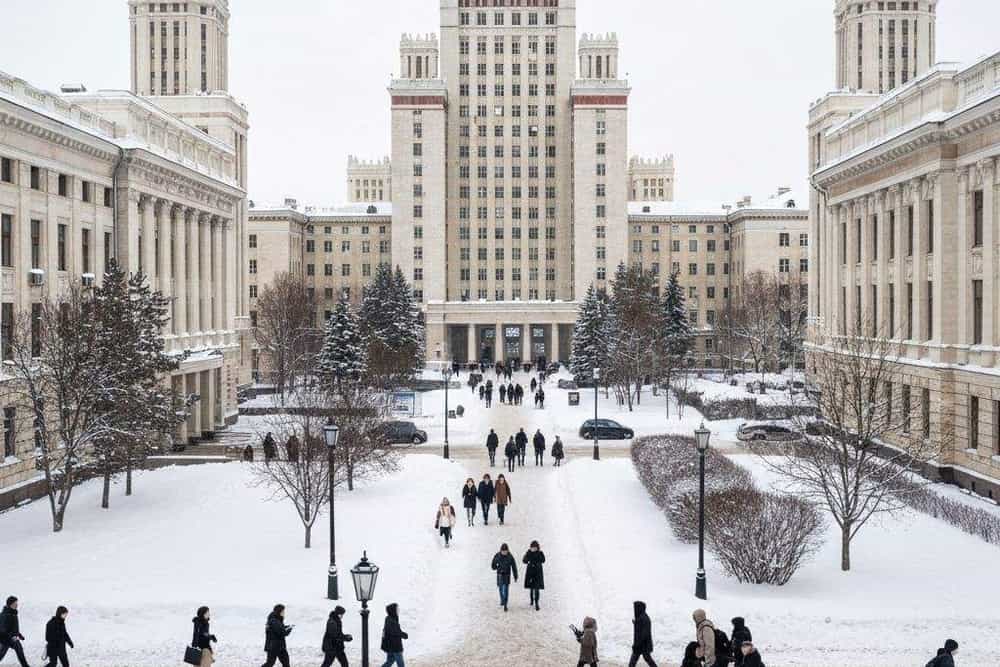
Altai Medical University
Annual Fees
$4,500 (₹3,75,750)/year
Total Cost
N/A
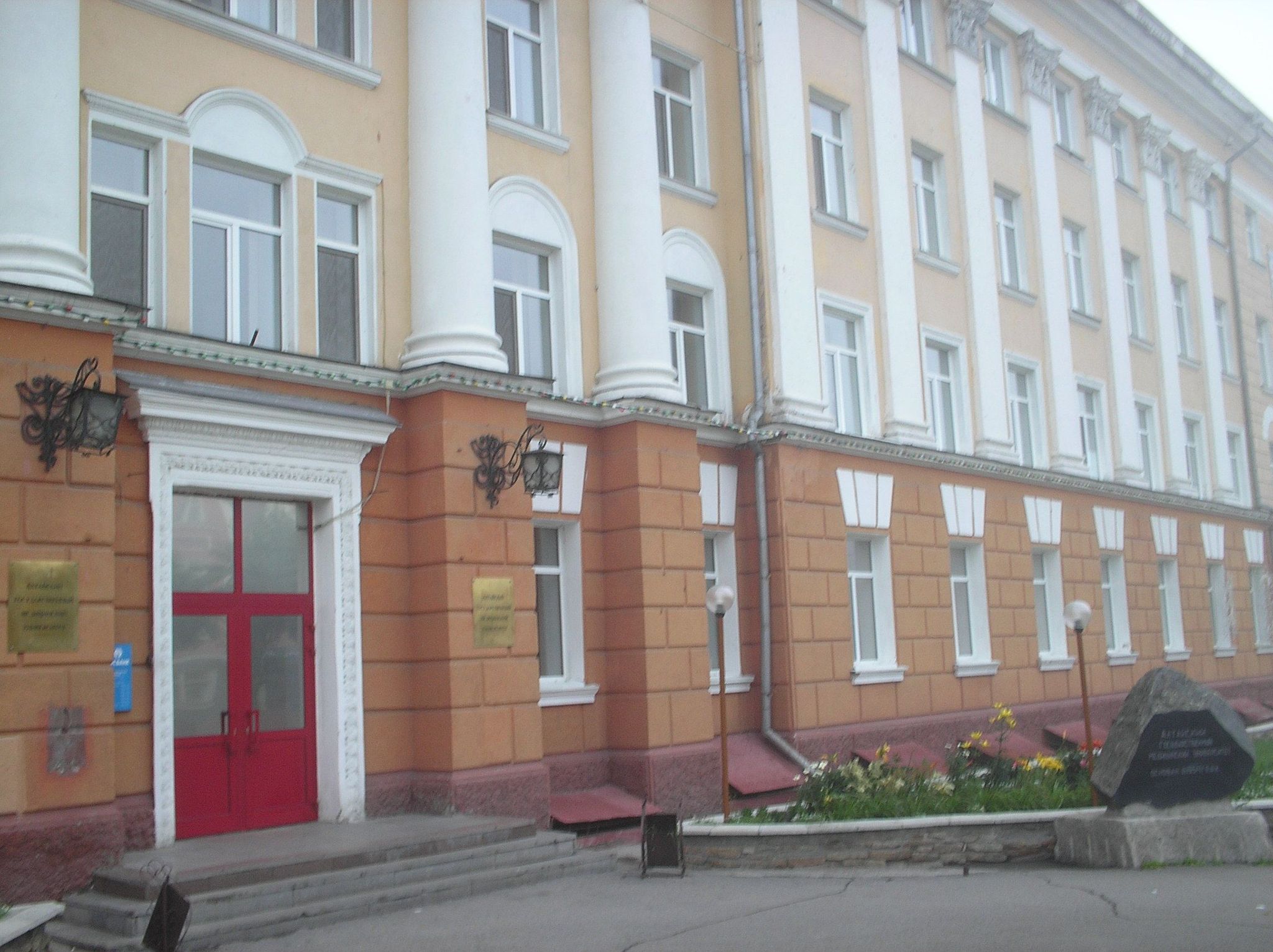
Altai State Medical University
Annual Fees
$4,500 (₹3,75,750)/year
Total Cost
$43,800 (₹36,57,300)
Amurskaya Medical College
Annual Fees
$4,500 (₹3,75,750)/year
Total Cost
N/A
Anapa Medical College
Annual Fees
$4,500 (₹3,75,750)/year
Total Cost
N/A
Astrakhan Medical College
Annual Fees
$4,500 (₹3,75,750)/year
Total Cost
N/A
Astrakhan State Medical University
Annual Fees
$4,000 (₹3,34,000)/year
Total Cost
N/A
Barnaul Medical College
Annual Fees
$4,500 (₹3,75,750)/year
Total Cost
N/A
Barnaul Nursing College
Annual Fees
$4,500 (₹3,75,750)/year
Total Cost
N/A
Similar Countries for MBBS
Explore other popular destinations with similar features