
MBBS Abroad September 2026 Intake: Deadlines by Country
Neha Tripathi
Author
Share this article

Photo: Gera Cejas / Pexels
If you are aiming for the September 2026 MBBS-abroad intake, the most important thing to understand is that the real deadline is not the day classes start — it is the point by which your admission letter, invitation and student visa must all be in place. Most recognised universities in Russia, Georgia, Kyrgyzstan and neighbouring countries fill their September seats on a first-come, first-served basis, and the visa and document chain takes weeks. Applying early is not a nicety; it is the difference between joining this session and waiting for the next. Here's the realistic timeline, country by country, and what to do if the window closes. (Exact dates vary by university and change year to year — always confirm the current deadline directly with the specific university before you plan around it.)
Why the September Intake Deadline Is Earlier Than You Think
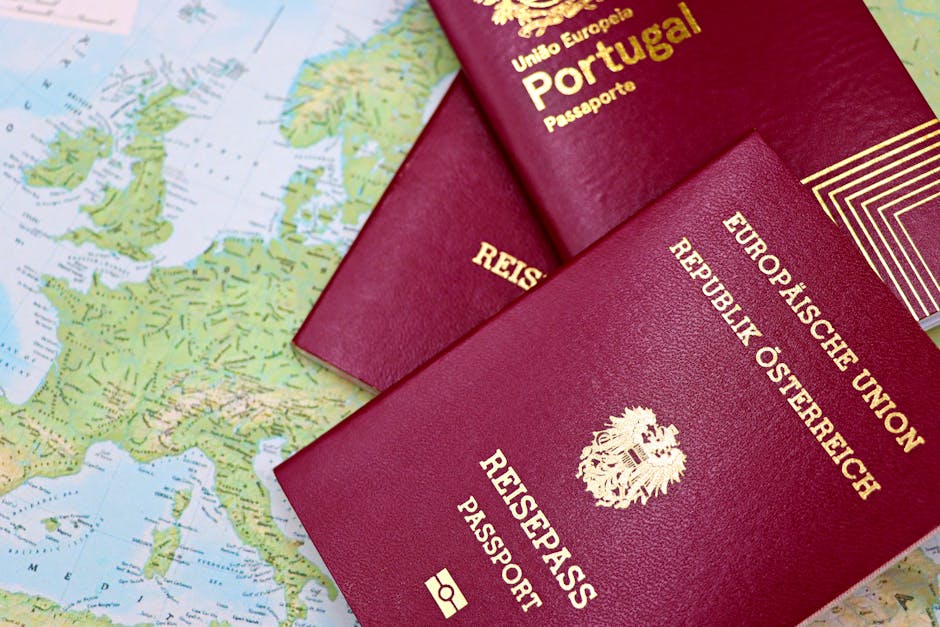
Photo: Marta Branco / Pexels
The September intake is the main annual intake for most MBBS-abroad destinations, and classes typically begin in September or October 2026. But three things happen before you can attend:
- Admission — the university reviews eligibility (NEET qualification, Class 12 PCB) and issues an admission letter.
- Invitation / authorisation — for some countries, an official invitation letter (e.g., from the education ministry) is issued for visa processing, which itself takes time.
- Student visa — appointment, submission and approval, which can take several weeks depending on the country and season.
Because of this chain, the practical cut-off to apply comfortably for a September start is usually mid-summer (around July–August) — and popular universities can fill their seats before then. Leaving it to the last minute risks either losing a seat or a rushed, error-prone visa process.
Country-by-Country Timelines

Photo: Nataliya Vaitkevich / Pexels
Treat these as general patterns, not fixed dates — confirm with each university:
- Russia — the admission cycle runs for months ahead of the September start; admission letters and official invitations for visa processing are typically issued through the summer. Apply well before the peak so the invitation and visa steps aren't compressed.
- Georgia — seats fill on a first-come, first-served basis, so applying early (by around July/August) is strongly advised for the September intake. Many Georgian universities also run a secondary intake in February/March.
- Kyrgyzstan and neighbouring Central Asian countries — generally accept applications through the summer for the September session, with the same visa-timeline caveat. Early application improves both seat availability and visa smoothness.
The universal rule across all of them: the earlier your file is complete, the safer your September start.
Planning MBBS abroad?
Get a free counselling call — we'll shortlist NMC-approved universities for your NEET score and budget.
What to Prepare Before You Apply
Have these ready so your file moves quickly:
- A qualified NEET result (NMC requires the 50th percentile for General, 40th for reserved — mandatory for eligibility and later FMGE).
- Class 12 marksheet (Physics, Chemistry, Biology, English) and Class 10 documents.
- Valid passport (apply/renew immediately if you don't have one — this is the most common cause of delay).
- Passport photos, and later, documents for the invitation and visa steps as the university specifies.
Choose the University Right — Even Under Time Pressure
Deadline pressure is exactly when students get pushed into weak colleges. Don't. Even with September approaching, hold to the essentials: NMC compliance (54-month course, English medium, 12-month internship at the same institution) and a verifiable FMGE track record for that specific university — compare on our university-wise FMGE data. A seat you can start in September is worthless if it can't get you licensed. Compare destinations on MBBS in Russia, MBBS in Georgia and MBBS in Kyrgyzstan.
If You Miss September: The February Intake

Photo: Ahmed / Pexels
Missing the September window is not a lost year. Several countries — Georgia, Russia and others — run a secondary intake around February/March 2027, so students who couldn't complete admission and visa steps in time can join then instead of waiting a full year. Use the extra months to finalise a stronger, FMGE-first university choice rather than rushing.
The Bottom Line
For the September 2026 MBBS-abroad intake, your real deadline is set by the admission-invitation-visa chain, not the first day of class — so apply early, ideally by mid-summer, and get your passport and NEET-qualified result ready first. Choose the university on NMC compliance and FMGE outcomes even under time pressure, and remember the February/March intake exists as a fallback. See our related guides on NEET counselling and options if you're not allotted a seat.
FAQs: September 2026 MBBS-Abroad Intake
Q1: When is the last date to apply for the September 2026 MBBS-abroad intake? A: There is no single date — it varies by university and country, and popular universities fill seats first. Because the admission-invitation-visa chain takes weeks, the practical cut-off to apply comfortably for a September start is usually around July–August. Always confirm the exact deadline with the specific university.
Q2: When do classes start for the September intake? A: For most MBBS-abroad destinations, classes for the main intake begin in September or October 2026. The application and visa steps must be completed well before that.
Q3: Why should I apply early even if classes start in September? A: Because admission, the official invitation for visa processing, and the student visa itself each take time, and seats often fill first-come, first-served. Applying early protects both your seat and a smooth visa process; late applications risk losing the seat or a rushed visa.
Q4: Do I need a qualified NEET score for the September 2026 intake? A: Yes. NEET qualification (50th percentile for General, 40th for reserved) is mandatory to be eligible for MBBS abroad and to appear for the FMGE later. Keep your official result ready.
Q5: What documents should I prepare before applying? A: A qualified NEET result, Class 12 marksheet (PCB + English), Class 10 documents, a valid passport (arrange this first — it's the most common delay), and passport photos. Additional documents for the invitation and visa steps follow as the university specifies.
Q6: What if I miss the September 2026 intake? A: Several countries, including Georgia and Russia, offer a secondary intake around February/March 2027. Missing September usually means joining the February intake, not losing a full year — use the time to finalise a strong, FMGE-first university choice.
Q7: Should I rush into any university to make the September deadline? A: No. Even under time pressure, insist on NMC compliance (54-month course, English medium, same-institution internship) and a verifiable FMGE track record. A September seat that can't get you licensed in India is not worth taking.
iAMBBS helps Indian students hit the intake without cutting corners — an FMGE-first university shortlist and a realistic admission-and-visa timeline built around your documents. Talk to our counsellors.
Get Free Expert Guidance
Our FMGE-qualified counselors will help you choose the right university based on your NEET score and budget.
No spam. Your data is secure. We call during 9 AM - 8 PM IST.
Frequently Asked Questions
Related Topics
About the Author
Neha Tripathi
Neha Tripathi is a content writer at iAMBBS, focused on MBBS-abroad guidance for Indian students — covering NMC-approved universities, fees, FMGE, and admissions.