
MBBS in Uzbekistan 2026: Fees, Top Universities & NMC Rules
Unknown
Author
Share this article

Image: Jamshid Nurkulov, CC BY-SA 4.0 — via Wikimedia Commons
Q6: Which is better for MBBS, Georgia or Uzbekistan? A: It depends on your budget. Uzbekistan is cheaper — total costs of approximately Rs 20-30 lakh versus roughly Rs 35-50 lakh in Georgia — and is closer to India with a familiar climate. Georgia offers a more established English-medium ecosystem and a longer track record with Indian students. Both are acceptable if the university meets NMC norms, and graduates from both must clear the FMGE to practise in India. By Neha Tripathi
MBBS in Uzbekistan costs Indian students roughly ₹22–32 lakh for the entire 6-year course (tuition, hostel and living combined, approximate) — which is why this Central Asian country has quietly become one of the fastest-growing MBBS destinations for Indian medical aspirants. Annual tuition at most government medical universities falls in the $3,000–$4,500 range (approx. ₹2.6–3.9 lakh), the programme is taught in English, and direct flights connect Delhi to Tashkent in under three hours. If you have qualified NEET but a private MBBS seat in India is out of reach, Uzbekistan deserves a serious look. This guide covers eligibility, real universities, honest fee estimates, the admission process, and — most importantly — what it takes to return and practise in India.
💡 Plan your budget: Use the free MBBS Cost Calculator to estimate your all-in cost, see which colleges fit with our MBBS College Predictor, or get free counselling from our team.
Why Choose Uzbekistan for MBBS?
Uzbekistan's appeal comes down to four practical things.
Affordability. Total tuition for the full course at most universities works out to roughly ₹16–24 lakh (approximate) — a fraction of the ₹60 lakh to ₹1 crore+ that private medical colleges in India commonly charge. Even after adding hostel and living costs, the overall budget stays well below an Indian private seat.
Proximity and connectivity. Tashkent is closer to Delhi than Chennai is. Direct flights operate between Delhi and Tashkent, so travelling home during vacations is neither expensive nor exhausting.
Government universities. Most medical institutes that admit Indian students — Tashkent Medical Academy, Samarkand State Medical University, Bukhara State Medical Institute — are state-run institutions, which brings a degree of stability in fees and administration that some private-college destinations lack.
A familiar student community. Thousands of Indian students are already studying medicine in Uzbekistan. Indian mess facilities, vegetarian food options and student associations exist in the main university cities, which makes the first year far less lonely than you might expect.
For a broader country overview, see our Uzbekistan country guide.
MBBS in Uzbekistan: Eligibility and NEET Requirement
The entry bar is straightforward, but every condition below is non-negotiable.
- NEET qualification is mandatory. Under NMC rules, any Indian student who wants to study medicine abroad and later practise in India must have qualified NEET. You only need to qualify — there is no separate cut-off for Uzbekistan — but without a valid NEET result, your degree will not lead to a licence in India.
- Class 12 with Physics, Chemistry and Biology, with a minimum of 50% aggregate in PCB (40% for reserved categories, in line with NEET eligibility norms).
- Minimum age of 17 years on or before 31 December of the admission year.
- A valid passport.
One important point many agents gloss over: the NMC's Foreign Medical Graduate Licentiate Regulations, 2021 require your foreign course to be at least 54 months of study plus a 12-month internship at the same institution, taught in English, and you must be licensed to practise in the country where you studied. Before paying any fee, confirm in writing that your chosen university's English-medium programme meets these conditions.
Planning MBBS abroad?
Get a free counselling call — we'll shortlist NMC-approved universities for your NEET score and budget.
Top Medical Universities in Uzbekistan

Photo: AXP Photography / Pexels
Stick to established state institutions. The names below are real, long-running government medical schools that admit international students — verify the current year's intake and fee on each university's official website before applying.
| University | City | Medium (for international students) | Approx. Annual Tuition* |
|---|---|---|---|
| Tashkent Medical Academy | Tashkent | English | $3,500–$4,500 |
| Samarkand State Medical University | Samarkand | English | $3,000–$4,000 |
| Bukhara State Medical Institute | Bukhara | English | $3,000–$3,800 |
| Andijan State Medical Institute | Andijan | English | $3,000–$3,800 |
| Tashkent Pediatric Medical Institute | Tashkent | English | $3,200–$4,200 |
*All figures are approximate, change year to year, and exclude hostel and living costs. Always confirm directly with the university.
Tashkent Medical Academy is the most recognised name among Indian aspirants, based in the capital with access to large teaching hospitals. Samarkand State Medical University is one of the country's major medical schools and has grown its international intake substantially. Bukhara and Andijan are smaller cities, which usually means lower living costs and quieter campuses — a trade-off some students actively prefer.
Whichever university you shortlist, check that it appears in the World Directory of Medical Schools (WDOMS) — this listing is a prerequisite for FMGE eligibility.
MBBS in Uzbekistan Fees and Living Costs
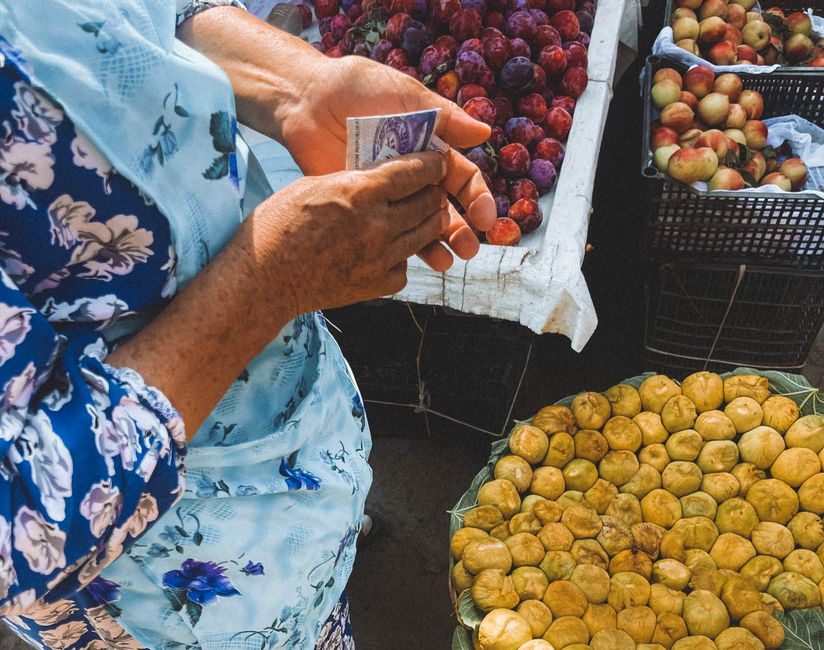
Photo: Marina Zvada / Pexels
Here is a realistic budget for the full course. Treat every number as an estimate and build a 10–15% buffer into your planning.
| Expense Head | Approximate Cost |
|---|---|
| Tuition fee (per year) | $3,000–$4,500 (₹2.6–3.9 lakh) |
| Hostel (per year) | $500–$1,000 (₹45,000–90,000) |
| Food & living (per month) | ₹12,000–18,000 |
| One-time costs (visa, travel, insurance, documentation) | ₹1–1.5 lakh spread over the course |
| Total 6-year estimate (all-inclusive) | ₹22–32 lakh (approximate) |
A few honest notes on this budget:
- The rupee–dollar rate matters. Fees are charged in US dollars, so your rupee outgo moves with the exchange rate. Budget conservatively.
- Hostels are basic but functional. University hostels typically provide furnished shared rooms with separate blocks for boys and girls. Standards vary between universities — ask current Indian students for photos before you commit.
- Living costs are genuinely low. Uzbekistan is one of the cheaper countries in the region for groceries and public transport. Students in Bukhara and Andijan generally spend less than those in Tashkent.
- Pay only into official university accounts. If an agent asks you to transfer tuition to a personal or third-party account, walk away. This single rule protects you from the most common fraud in this market.
Medium of Instruction: What You'll Actually Study In
The MBBS-equivalent programme (General Medicine) for international students is offered in English at the major universities listed above. Lectures, textbooks and examinations for the international stream are conducted in English.
The honest caveat: daily life runs in Uzbek and Russian. During clinical postings from the third year onwards, you will be taking histories from patients who speak Uzbek or Russian. Universities teach the local language in the early years precisely for this reason — take those classes seriously. Students who learn conversational Uzbek or Russian get visibly more out of their hospital rotations, and this directly affects how prepared you are for FMGE's clinically oriented questions.
Admission Process: Step by Step
Admissions for the 2026 intake typically run from around mid-year until September–October. The process is refreshingly simple compared to many countries — there is no entrance exam beyond NEET and no IELTS/TOEFL requirement at most universities.
- Shortlist and verify. Confirm the university is in WDOMS and its English-medium programme meets the NMC's 2021 regulations (54 months + 12-month internship).
- Apply online through the university's official admissions portal with your Class 10 and 12 mark sheets, NEET scorecard and passport copy.
- Receive the admission/invitation letter, usually within a few weeks.
- Pay the initial fee to the official university account and collect the payment receipt.
- Apply for the student visa with your invitation letter. Uzbekistan's student visa process for Indians is comparatively fast and straightforward.
- Travel and enrol. Complete medical check-ups, registration and hostel allotment on arrival.
Keep both digital and physical copies of every document — you will need them again for internship registration and later for FMGE.
FMGE, NMC Rules and Returning to India
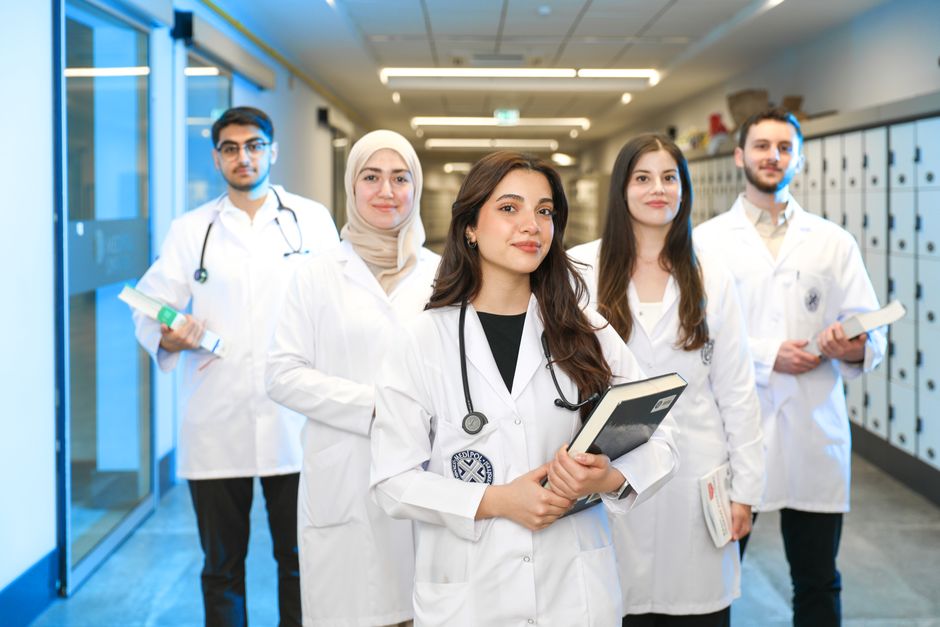
Photo: Yusuf Çelik / Pexels
This is the section that decides whether Uzbekistan is right for you, so let's be precise.
To practise in India after an MBBS from Uzbekistan, you must clear the FMGE (Foreign Medical Graduate Examination), conducted twice a year by the National Board of Examinations in Medical Sciences. It is a 300-mark exam and you need 150 to pass. FMGE is a genuinely demanding exam — a large share of foreign graduates from every country fail on their first attempt, so your preparation should start from your first year abroad, not your last.
What about NExT? The National Exit Test has been proposed as a future common licensing exam, but its implementation has been deferred and no date has been confirmed. As of now, FMGE remains the exam you should plan for. Be sceptical of any consultant who claims certainty about NExT timelines.
Also remember the NMC's 2021 FMG regulations in practice: complete your internship at the same foreign institution, obtain your degree in English, and secure eligibility for registration in Uzbekistan itself. After clearing FMGE, you complete a supervised internship in India and register with your State Medical Council.
Our detailed FMGE guide breaks down the syllabus, pass criteria and a year-wise preparation plan for students studying abroad.
Pros and Cons of MBBS in Uzbekistan
Pros
- Low total cost — among the cheapest full-course budgets for MBBS abroad (approx. ₹22–32 lakh all-inclusive).
- English-medium programmes at government universities, with stable state-set fee structures.
- Close to India — short, direct flights from Delhi.
- Simple admissions — NEET qualification, documents and visa; no additional entrance or language test at most universities.
- Safe, welcoming cities with an established Indian student community and Indian food options.
Cons
- The local language barrier is real in hospitals — clinical learning suffers if you don't pick up Uzbek or Russian.
- FMGE is your gateway home, and it is a hard exam. Nothing about studying in Uzbekistan (or anywhere abroad) exempts you from it.
- Quality varies between universities and even between batches. Speak to current senior Indian students — not just agents — before finalising.
- Winter is cold by Indian standards, with temperatures dipping below freezing in January.
FAQs on MBBS in Uzbekistan
Q1: Is MBBS in Uzbekistan valid in India? A: Yes — provided your university is listed in the World Directory of Medical Schools, your course meets the NMC's FMG Licentiate Regulations 2021 (English medium, 54 months of study plus a 12-month internship), and you clear FMGE after graduating. All three conditions matter; check them before admission, not after.
Q2: What is the total cost of MBBS in Uzbekistan for Indian students? A: Approximately ₹22–32 lakh for the full 6-year course, covering tuition (roughly $3,000–$4,500 per year), hostel and living expenses. Actual costs vary by university, city and exchange rate, so verify the current fee on the university's official website.
Q3: Is NEET compulsory for MBBS in Uzbekistan? A: Yes. A valid NEET qualification is mandatory for any Indian student who intends to practise in India after studying medicine abroad. You only need qualifying marks, not a high rank.
Q4: Is MBBS in Uzbekistan taught in English? A: The international-student programmes at major universities such as Tashkent Medical Academy and Samarkand State Medical University are taught in English. However, patient interactions during clinical years happen in Uzbek or Russian, so learning the local language is strongly advisable.
Q5: Do I need to clear NExT instead of FMGE? A: No. FMGE remains the licensing exam for foreign medical graduates. NExT has been proposed but its implementation is deferred with no confirmed date — plan your preparation around FMGE.
Uzbekistan rewards students who go in with clear eyes: verified universities, an honest budget, early language effort and FMGE preparation from year one. Do those four things, and it is one of the most sensible low-cost routes to an MBBS abroad. Start with our Uzbekistan country page to compare universities side by side.
Get Free Expert Guidance
Our FMGE-qualified counselors will help you choose the right university based on your NEET score and budget.
No spam. Your data is secure. We call during 9 AM - 8 PM IST.
Frequently Asked Questions
Related Topics
About the Author
Unknown
Experienced education consultant specializing in MBBS abroad programs and international medical education.