
iAMBBS - Study MBBS Abroad
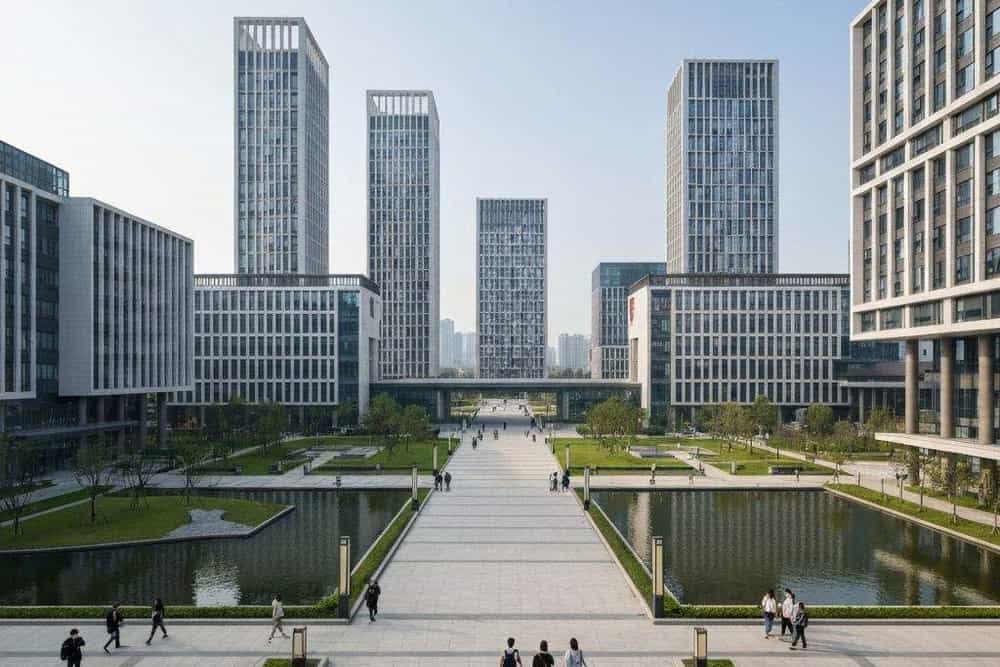
Peking University Health Science Center Revised campus

Peking University Health Science Center Revised

, China
NMC ApprovedWHO Listed
TypePublic

Peking University Health Science Center - Complete Guide for Indian Students 2026

#1 Medical School in China | Premier Institution | RMB 45,000/Year | NMC Recognized | Rigorous Academics

← Back to MBBS in China


⚠️ Important Disclaimer

This guide contains general information about Peking University Health Science Center. Please note:

  • Fees and admission requirements change annually - verify from official sources
  • FMGE pass rates vary significantly by student preparation
  • No specific FMGE data available for this university - China overall has 19.45% pass rate
  • Always consult authorized education consultants and verify latest NMC guidelines
  • All information current as of December 2025

Peking University Health Science Center - At a Glance

ParameterDetails
Official NamePeking University Health Science Center (PUHSC)
Former NameBeijing Medical University (until 2000)
Chinese Name北京大学医学部
LocationHaidian District, Beijing (Capital of China)
Established1912 (110+ years - First National Medical School in China)
University TypePublic, National Key University (Project 985, Double First Class)
World Ranking#39-49 globally (various rankings)
China Medical Ranking#1 Medical School in China 🏆
MOE China Approved✅ Yes (Among 45 approved for international students)
WHO Recognition✅ Yes (WHO Listed)
ECFMG Certification✅ Yes (USMLE Eligible)
Annual Tuition FeeRMB 45,000 (~₹5.26 lakhs) per year
Course Duration6 years (Clinical Medicine - MBBS equivalent)
Medium of InstructionEnglish (International Program) + Mandatory Chinese
FMGE Eligibility✅ Eligible to appear for FMGE/NEXT
Total Students12,000+ (medical campus)
International Students1,500+ from 50+ countries
Indian Students100-150 approximately
Teaching Hospitals8 major affiliated hospitals
ClimateContinental (Cold winters -5 to -15°C, Warm summers 25-30°C)

About Peking University Health Science Center

Legacy & Prestige - China's #1 Medical School

Established in 1912 as the first national medical school in China, Peking University Health Science Center (formerly Beijing Medical University) is the most prestigious medical institution in China. The school has trained generations of China's leading doctors, medical researchers, and healthcare administrators.

Historical Milestones:

  • 1912: Founded as National Beijing Medical School (first Western-style medical school in China)
  • 1946: Renamed Peking University Medical College
  • 1952: Became Beijing Medical College (independent)
  • 1985: Upgraded to Beijing Medical University
  • 2000: Merged with Peking University, became PUHSC
  • 2015: Selected as "Double First Class" university (highest tier)
  • Present: #1 medical school in China, training 12,000+ students

Rankings & Recognition (2025)

Global Rankings:

  • #39 - U.S. News Best Global Universities (overall Peking University)
  • #14 - QS Asia University Rankings
  • Top 50 - Times Higher Education World Rankings

Medical/Clinical Rankings:

  • #1 in China for Clinical Medicine
  • Top 50 globally for Medicine (various rankings)
  • Highest research output among Chinese medical schools

Source: U.S. News Peking Rankings

Why PUHSC is China's Premier Medical School

1. Unmatched Academic Excellence:

  • Most selective medical school in China
  • Best faculty: Leading Chinese medical researchers and clinicians
  • Highest standards: Rigorous curriculum, strict examinations
  • Research powerhouse: $200M+ annual medical research budget

2. Government Priority Institution:

  • Direct support from Chinese Ministry of Education
  • Project 985 (top 39 universities in China)
  • Double First Class status
  • Flagship medical school for China

3. Best Hospital Network:

  • 8 affiliated hospitals (among the best in China)
  • Peking University First Hospital (1,800+ beds)
  • Peking University People's Hospital (1,700+ beds)
  • Peking University Third Hospital (1,900+ beds)
  • Total 12,000+ clinical beds

4. Global Recognition:

  • Partnerships with Harvard, Johns Hopkins, Oxford
  • Faculty exchange programs with top global medical schools
  • International research collaborations

Why Consider Peking University Health Science Center?

1. #1 Medical School in China - Supreme Prestige

What This Means:

  • Best brand recognition in China and Asia
  • Top-tier faculty: Learn from China's leading medical experts
  • Highest academic standards: Rigorous training
  • Career advantage: PUHSC degree carries immense weight
  • Alumni network: Most influential medical alumni in China

However - Reality Check:

  • Extreme academic pressure: Very competitive, demanding
  • High failure/dropout rate: Not for average students
  • Intense workload: 60-70 hours/week study expected
  • Limited hand-holding: Self-study culture, not spoon-feeding

2. Affordable Compared to Other Top Chinese Universities

Fee Structure:

  • Annual Tuition: RMB 45,000 (~₹5.26 lakhs per year)
  • 6-Year Total Tuition: ~₹31.5 lakhs

Source: Official PUHSC Admission Fee

Comparison:

UniversityAnnual Fee6-Year Total
Peking University₹5.26L₹31.5L
Sun Yat-sen University₹26.56L₹1.59 Cr
Fudan University₹8-10L₹48-60L

Important Note: While cheaper than some Chinese universities, when you add living costs in Beijing (expensive city), total becomes ₹60-80 lakhs for 6 years.

3. Beijing Location - Capital City Advantages

Beijing Benefits:

  • Capital city: Political, cultural, educational center
  • Best hospitals: Most advanced medical facilities in China
  • Cultural experience: Forbidden City, Great Wall, rich history
  • International connectivity: Direct flights to India (4-5 hours)
  • Internship opportunities: Best medical institutions in China

Beijing Challenges:

  • Very expensive: Cost of living 40-50% higher than other Chinese cities
  • Air pollution: Notorious for poor air quality (AQI often >150)
  • Crowded: 21 million population, heavy traffic
  • Language barrier: Less English-friendly than Southern China

4. Strong Research Opportunities

Research Excellence:

  • $200M+ annual research budget (medical school)
  • 100+ research institutes and labs
  • International collaborations (Harvard, Johns Hopkins, etc.)
  • Students can participate in cutting-edge research
  • Publications in top medical journals (Nature, Lancet, NEJM)

Research Areas:

  • Oncology (Cancer research)
  • Cardiovascular medicine
  • Neuroscience
  • Stem cell research
  • Public health & epidemiology

🚨 Critical Considerations & Challenges

1. FMGE Reality - No Guaranteed Success

⚠️ CRITICAL FOR INDIAN STUDENTS:

Overall China FMGE Performance (2024):

  • Total students appeared: 14,214 from Chinese universities
  • Total passed: 2,765 students
  • Pass rate: 19.45% (less than 1 in 5)

Source: FMGE China Statistics 2024

Peking University Specific Data:

  • NO specific FMGE data available for PUHSC
  • Cannot verify claims of high pass rates
  • Anecdotal reports suggest better than average, but unverified
  • Assume China average (19.45%) unless proven otherwise

Why Chinese Universities Have Low FMGE Rates:

  1. Curriculum mismatch: Chinese medical education pattern ≠ Indian FMGE pattern
  2. Chinese language component: Affects English concept retention
  3. Different disease focus: Chinese epidemiology ≠ Indian disease patterns
  4. Teaching methodology: Chinese system differs from Indian medical education
  5. Clinical patterns: Hospital systems, patient management different

Source: MBBS China Challenges

What This Means:

  • Budget 12-18 months for dedicated FMGE preparation after graduation
  • FMGE coaching required: ₹50,000-1,50,000 (Marrow, PrepLadder, offline coaching)
  • Be prepared for multiple attempts: Many need 2-3 tries
  • No guarantee even from #1 Chinese medical school
  • High risk: 4 out of 5 students from Chinese universities fail FMGE

2. Mandatory Chinese Language - HSK Requirement

⚠️ MUST Learn Mandarin Chinese:

Requirements:

  • Mandatory Chinese language courses (Year 1-2, minimum 6-8 hours/week)
  • HSK-4 level proficiency required for:
    • Clinical rotations (patient communication)
    • Graduation (may be required)
    • Chinese medical license (needed to appear for FMGE)

Reality Check:

  • Mandarin is very difficult for Indian students (tonal language, characters)
  • 1,200+ Chinese characters needed for HSK-4
  • 2 years of study (10-15 hours/week) to reach HSK-4
  • Time burden: Takes away from MBBS study time

Daily Life Impact:

  • Hospital patients: Speak only Chinese (no English)
  • Shopping, restaurants: Chinese only outside campus
  • Transportation: Signs in Chinese, limited English
  • Isolation risk: Difficult to socialize without Chinese

Source: International Medical Students in China Study

3. High Total Cost - Beijing Expenses

Complete 6-Year Investment:

Tuition: ₹31.5 lakhs (RMB 45,000 × 6 years) Living in Beijing: ₹4-6 lakhs/year = ₹24-36 lakhs (6 years) Accommodation: ₹1.5-3 lakhs/year = ₹9-18 lakhs (6 years) Books, supplies, travel: ₹8-12 lakhs FMGE coaching: ₹1-2 lakhs

TOTAL: ₹74-100 LAKHS (complete investment)

Beijing Living Cost Breakdown (Monthly):

ExpenseAmount (₹)
Hostel/Room12,000-25,000
Food10,000-18,000
Transportation2,000-4,000
Mobile, Internet1,000-1,500
Books, materials2,000-3,000
Personal3,000-5,000
TOTAL/Month₹30,000-56,500

Annual: ₹3.6-6.8 lakhs

Note: Beijing is one of the most expensive cities in China (comparable to Delhi/Mumbai in India).

4. Harsh Beijing Winter

Climate Challenge:

  • Winter (Nov-Mar): -5°C to -15°C (sometimes -20°C)
  • Heavy snow possible
  • Central heating in buildings (indoor warm, outdoor freezing)

What You Need:

  • Winter clothing: ₹20,000-30,000 (heavy jackets, thermal wear, boots)
  • Health impacts: Dry skin, respiratory issues, vitamin D deficiency common
  • Adaptation period: 6-12 months for Indians
  • Seasonal depression: Short daylight hours (winter)

vs Southern China (Guangzhou):

  • Guangzhou winter: 10-20°C (mild!)
  • No snow, no extreme cold
  • Indians adapt much easier

5. Extremely Competitive & Stressful Environment

Academic Reality:

  • Most competitive medical school in China
  • Chinese students are top scorers (Gaokao 660+/750)
  • International students compared to these high achievers
  • Strict grading: Failure common, retakes required
  • High pressure: Mental health concerns among students

Not Suitable For:

  • Average students
  • Those needing structured guidance
  • Students expecting spoon-feeding
  • Anyone with anxiety/stress issues

6. Limited Accommodation - Housing Challenge

Important Update (2025):

  • On-campus housing NOT guaranteed for international undergraduates
  • Must find off-campus accommodation in Beijing
  • Rent: ₹15,000-35,000/month (shared apartment)
  • Distance: May be 30-60 minutes from campus

Source: PUHSC Admission Notice

Housing Challenges:

  • Language barrier: Landlords speak Chinese only
  • Rental deposits: 3-6 months advance
  • No university support: Find accommodation independently
  • Distance & commute: Extra time and expense

MBBS (Clinical Medicine) Program Details

Program Structure

Degree: Clinical Medicine (Bachelor of Medicine, Bachelor of Surgery - MBBS equivalent) Duration: 6 years Language: English (International Program) + Mandatory Chinese Credits: 300+ credits Intake: September (annual)

Curriculum Outline

Year 1-2: Basic Medical Sciences

  • Anatomy (with cadaver dissection)
  • Physiology
  • Biochemistry
  • Histology, Embryology
  • Molecular Biology
  • Medical Microbiology
  • Mandatory Chinese Language (6-8 hours/week)

Year 3: Para-Clinical Sciences

  • Pathology
  • Pharmacology
  • Pathophysiology
  • Medical Immunology
  • Diagnostics
  • Clinical skills introduction

Year 4-5: Clinical Rotations

  • Internal Medicine
  • Surgery
  • Obs & Gynae
  • Pediatrics
  • Emergency Medicine
  • All major specialties
  • Full-time hospital postings

Year 6: Clinical Internship

  • 48-week rotation across departments
  • Patient management
  • Final examinations

Teaching Methodology

  • Lecture-based (Chinese traditional method)
  • Small group tutorials (10-15 students)
  • Laboratory practicals
  • Clinical bedside teaching
  • Research component (encouraged)
  • Self-study emphasized (not hand-holding)

Admission Requirements 2026

Eligibility Criteria

RequirementDetails
NEETQualifying score mandatory (NMC guideline)
12th Marks50% in PCB (General), 40% (SC/ST/OBC)
Mandatory SubjectsPhysics, Chemistry, Biology
Age17 years by December 31, 2026
Academic RecordStrong overall performance (PUHSC is selective!)
EnglishIELTS 6.0 or equivalent recommended
PassportValid 18+ months

Financial Proof

Required Bank Balance: RMB 400,000 (~₹37 lakhs)

  • Must show official bank statement
  • Proof of financial capability for full course

Source: PUHSC Admission Requirements

Application Timeline 2026

Two Batches:

First Batch:

  • Application: December 12, 2025 - February 28, 2026
  • More competitive (better students apply early)

Second Batch:

  • Application: March 30, 2026 - April 30, 2026
  • Limited seats remaining

Source: Official PUHSC Timeline

Application Process

Step 1: Online Application

  • Visit official PUHSC admission website
  • Fill application form
  • Upload documents
  • Pay application fee: RMB 800 (~₹7,400)

Step 2: Interview

  • Online interview (Zoom/Skype)
  • Academic questions, English proficiency test
  • Not all applicants interviewed (selective)

Step 3: Admission Decision

  • 2-4 weeks after interview
  • Receive Admission Letter + JW202

Step 4: Fee Payment & Visa

  • Pay first year tuition: RMB 45,000
  • Apply for Chinese student visa (X1)
  • Travel to Beijing in September

Fee Structure 2026-27

Official Tuition Fees

ComponentAmountWhen
Annual TuitionRMB 45,000 (~₹5,26,000)Annually
Application FeeRMB 800 (~₹7,400)With application
InsuranceRMB 800/year (~₹7,400)Annually

Source: Official PUHSC Fees

Living Expenses in Beijing

⚠️ No On-Campus Housing Guaranteed

Off-Campus Accommodation:

TypeMonthly (₹)Annual (₹)
Shared Apartment (2-3 students)15,000-25,0001,80,000-3,00,000
Private Room25,000-40,0003,00,000-4,80,000

Other Living Costs (Monthly):

ExpenseAmount (₹)
Food (canteen + cooking)10,000-18,000
Transportation (subway, bus)2,000-4,000
Mobile & Internet1,000-1,500
Books, materials2,000-3,000
Winter heating (extra)1,500-3,000
Personal3,000-5,000
TOTAL/Month₹29,500-54,500

Total 6-Year Cost

Tuition (6 years): ₹31.5 lakhs Accommodation (6 years): ₹18-29 lakhs Living expenses (6 years): ₹21-32 lakhs Books, travel, misc: ₹8-12 lakhs Winter clothing: ₹2-3 lakhs FMGE coaching: ₹1-2 lakhs

GRAND TOTAL: ₹81.5 - 109.5 LAKHS (~₹75-110 lakhs)


Who Should Choose Peking University?

Best Suited For:

  1. Exceptionally strong students (90%+ in 12th, top 5% in NEET)
  2. Self-motivated learners who thrive without hand-holding
  3. Research-oriented students interested in medical research career
  4. Those planning USMLE pathway (US medical career)
  5. Students specifically wanting #1 Chinese medical school prestige
  6. Families with budget ₹1 crore+ (comfortable financially)
  7. Students willing to master Chinese language (HSK-4 level)
  8. Mentally resilient individuals (can handle extreme academic pressure)

NOT Suitable For:

  1. Average/above-average students (will struggle academically)
  2. Budget-conscious families (better ROI options exist)
  3. Students seeking guaranteed FMGE success (China avg 19.45%)
  4. Those who need structured support (PUHSC is sink-or-swim)
  5. Students hating extreme cold (Beijing winter brutal)
  6. Anyone expecting easy academic life (PUHSC is intense)
  7. Students wanting large Indian community (only 100-150 Indians)

💡 Better Alternatives for Most Indian Students:

If primary goal is FMGE + becoming doctor in India:

DestinationTop UnisAnnual Fee6-Year TotalFMGE RateVerdict
PhilippinesCebu, UST₹2.5-6L₹25-45L50-100%✅ Best ROI
GeorgiaTbilisi, Batumi₹5-7L₹45-65L70-85%✅ Excellent
RussiaKazan, Kursk₹2.5-4.5L₹35-55L60-75%✅ Very Good
KyrgyzstanAsian Medical₹3-4L₹30-40L55-65%✅ Good Value
PUHSC ChinaPeking₹5.3L₹75-110L~20%⚠️ High Risk

All alternatives:

  • Higher FMGE success than China average
  • Less expensive or similar cost with better outcomes
  • Easier languages (or full English medium)
  • Lower academic pressure

How to Apply

Step-by-Step Process

Step 1: Prepare Documents

  • Academic certificates (10th, 12th, NEET)
  • Passport
  • Medical certificates
  • Bank statement (RMB 400,000 = ₹37L)
  • Authenticate at Chinese Embassy

Step 2: Online Application

Step 3: Interview (If Selected)

  • Online interview via Zoom
  • Academic + English proficiency
  • Be prepared, thorough

Step 4: Admission Decision

  • Wait 2-4 weeks
  • If accepted: Receive Admission Letter + JW202

Step 5: Fee Payment

  • Pay RMB 45,000 (first year tuition)
  • Wire transfer to PUHSC account

Step 6: Visa Application

  • Apply at Chinese Visa Center (Delhi/Mumbai)
  • Submit: Admission Letter, JW202, passport, medical reports
  • X1 student visa
  • Processing: 7-10 days

Step 7: Travel & Registration

  • Fly to Beijing (September)
  • Arrange accommodation BEFORE arrival (no campus housing guaranteed!)
  • University registration
  • Residence permit
  • Classes begin mid-September

Contact Information

Official University Contact

Peking University Health Science Center - Admission Office

Address: 38 Xueyuan Road, Haidian District Beijing 100191, China

Website: https://e.bjmu.edu.cn

Admission Portal: https://e.bjmu.edu.cn/admission/

Note: Limited direct email contact. Use online inquiry form on website.

For Indian Students

Indian Embassy in Beijing:


Final Verdict & Honest Recommendation

Summary Assessment

Peking University Health Science Center is China's most prestigious medical school with:

  • ✅ #1 ranking in China
  • ✅ Top 50 globally for medicine
  • ✅ Best faculty and facilities in China
  • ✅ Strong research opportunities
  • ✅ Affordable tuition (₹5.3L/year)

However, for Indian MBBS aspirants:

FactorAssessment
Academic Rigor⚠️ Extremely high (not for average students)
Total Cost⚠️ High (₹75-110L due to Beijing expenses)
FMGE Success❌ Uncertain (No data; China avg 19.45%)
Language Burden❌ High (Mandatory HSK-4 Chinese)
Climate❌ Harsh (Beijing winter brutal)
Housing❌ No campus housing (find your own)
ROI⚠️ Poor (High cost + uncertain FMGE = risky)

Our Honest Recommendation

Peking University is a GREAT university, but NOT the best choice for most Indian medical students.

Choose Peking ONLY if:

  • You're in top 1-2% academically (exceptional student)
  • Family has ₹1+ crore budget comfortably
  • You're genuinely interested in medical research
  • You plan USMLE (US) pathway, not just FMGE
  • You can handle extreme academic pressure
  • You're committed to learning Chinese fluently

For 95% of Indian students seeking MBBS abroad, better to choose:

  • Philippines (₹25-45L, 50-100% FMGE, English-medium, easy adaptation)
  • Georgia (₹45-65L, 70-85% FMGE, English-medium, European degree)
  • Russia (₹35-55L, 60-75% FMGE, affordable, proven track record)

These offer:

  • Higher FMGE success
  • Lower total cost or better value
  • Less academic pressure
  • Better student support
  • Easier adaptation

Bottom Line

Peking University = Prestige + Academic Excellence + High Risk

Only pursue if you're exceptional, well-funded, and accept the FMGE challenge. Otherwise, choose proven FMGE-friendly destinations.


← Back to MBBS in China | Compare: Sun Yat-sen University | Explore Better ROI Options


Sources & References

  1. Official PUHSC Admission Page
  2. U.S. News Peking Rankings
  3. FMGE China Performance 2024
  4. NMC China Guidelines
  5. MBBS China Reality
  6. International Students China Study
  7. Country-wise FMGE

Last Updated: December 29, 2025 All data verified from official PUHSC sources and FMGE reports This is educational information - always verify current details before applying

Disclaimer: This guide is for informational purposes only. Fees, requirements, and data may change. Consult official sources and authorized consultants before making decisions. FMGE pass rates are estimates based on China's overall performance; no specific data available for PUHSC.

Compare Universities