Altai Medical University - MBBS Fees, Admission & Eligibility 2026MBBS Fees, Admission & Eligibility 2026
Complete guide to study MBBS at Altai Medical University. NMC approved medical university in Russia. Annual fees: $4,155.
Key Information
Fee Structure
Quick Facts
Admission Info
Climate in Barnaul
Monthly Cost of Living
Altai Medical University Fee Structure 2026-2027
| Year | Tuition (USD) | Tuition (INR) | Hostel+Mess (USD) | Hostel (INR) | Total/Year |
|---|---|---|---|---|---|
| Year 1 | $4,155 | ₹353K | $1,454 | ₹124K | $5,609 |
| Year 2 | $4,155 | ₹353K | $1,454 | ₹124K | $5,609 |
| Year 3 | $4,155 | ₹353K | $1,454 | ₹124K | $5,609 |
| Year 4 | $4,155 | ₹353K | $1,454 | ₹124K | $5,609 |
| Year 5 | $4,155 | ₹353K | $1,454 | ₹124K | $5,609 |
| Year 6 | $4,155 | ₹353K | $1,454 | ₹124K | $5,609 |
| Total (6 Years) | $24,930 | ₹21.2L | $8,724 | ₹7.4L | $30,000 ≈ ₹25.5 Lakhs |
* Fees are indicative for 2026-2027 intake. Actual fees may vary. Contact us for latest fee structure. Hostel fees are estimated based on average costs.
Monthly Living Cost in Russia
| Expense Category | USD/Month | INR/Month |
|---|---|---|
| Accommodation (off-campus) | $80 – $200 | ₹6,800 – ₹17,000 |
| Food & Groceries | $100 – $200 | ₹8,500 – ₹17,000 |
| Transportation | $15 – $30 | ₹1,275 – ₹2,550 |
| Utilities (electricity, internet) | $20 – $40 | ₹1,700 – ₹3,400 |
| Study Materials & Books | $15 – $30 | ₹1,275 – ₹2,550 |
| Health Insurance & Medical | $10 – $25 | ₹850 – ₹2,125 |
| Miscellaneous & Personal | $20 – $50 | ₹1,700 – ₹4,250 |
| Total Monthly Estimate | $260 – $575 | ₹22,100 – ₹48,875 |
* Average monthly living costs for Indian medical students in Russia. Hostel students typically spend less on accommodation.
Accommodation & Hostel
University Overview: Altai State Medical University
History and Recognition
Altai State Medical University, established in 1954, is a public medical university located in Barnaul, Russia. Originally known as Altai State Medical Institute, it has grown to become a leading institution in West Siberia for medical education. The university is NMC (National Medical Commission) and WHO approved, ensuring its MBBS degree is globally recognized. This accreditation allows Indian graduates to return home and practice medicine in India after clearing the Foreign Medical Graduate Examination (FMGE).
The university collaborates with the Ministry of Health of the Russian Federation and has produced over 30,000 medical graduates globally. As of 2026, it hosts 4,500 students, including 800 international students, with 600 Indian students enrolled in its MBBS program.
Academic Reputation and Programs
Altai State Medical University offers a 6-year MBBS program (5 years of theoretical and practical training + 1-year internship). The curriculum is delivered in English, with Russian language training integrated to assist students during clinical rotations. The program is structured across 60 departments and 6 faculties, including the Faculty of Foreign Students (established in 2016).
The university’s 450-strong faculty includes 100 doctors of science, 350 candidates of science, and 25 distinguished physicians from Russia. Its academic rigor is reflected in its WHO-listed status and recognition by international bodies, making it a preferred choice for Indian students seeking affordable, high-quality medical education abroad.
Why Indian Students Choose Altai
-
Affordable Education: The total MBBS program cost is approximately ₹24.6 lakh (INR) for 6 years, with no donation or capitation fees.
-
Indian-Friendly Infrastructure:
-
Indian mess facilities and common kitchens for self-cooking.
-
Hostel accommodations with CCTV surveillance, laundry rooms, and medical services.
-
Celebrations of Indian festivals like Holi and Diwali on campus.
-
Global Career Opportunities: Graduates are employed in India, the USA, Canada, and Africa, with many securing positions in top healthcare institutions.
-
Safe Environment: Located in Barnaul, a low-crime city in Siberia, with access to natural attractions like the Altai Mountains and Ob River.
Infrastructure and Facilities
The university provides modern classrooms, well-equipped laboratories, and simulation centers for hands-on learning. Its affiliated hospitals offer practical training with access to advanced medical technology.
Hostel Features:
-
Five on-campus hostels with central heating, Wi-Fi, and recreational areas.
-
Laundry, gym, and reading halls within hostel premises.
-
Indian canteen and kitchen facilities for cultural comfort.
Student Community and Support
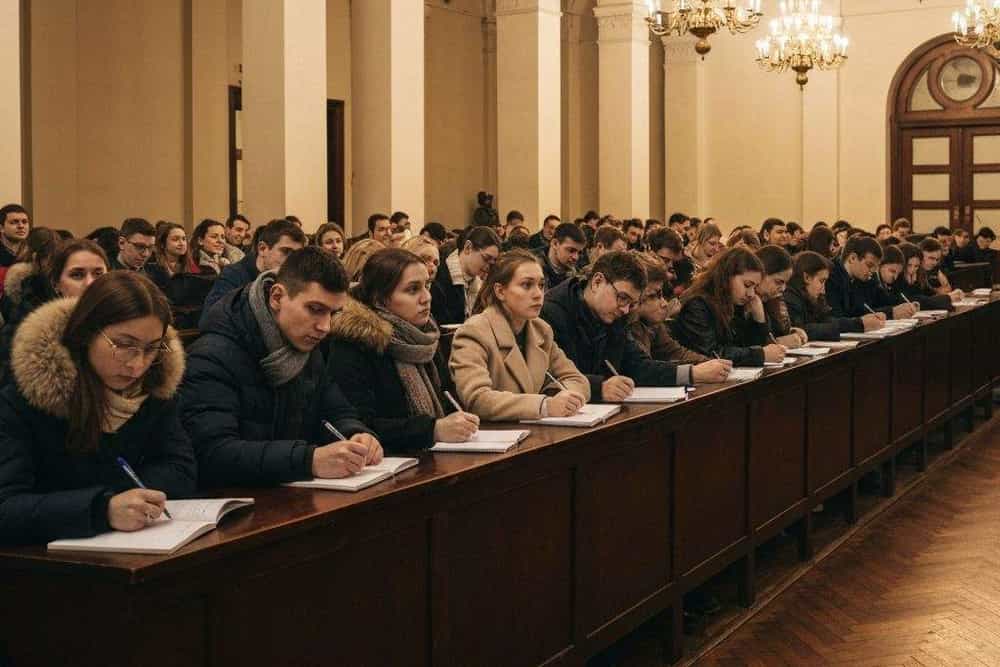
Altai State Medical University s a multicultural environment, with students from over 20 countries. The Indian student association provides peer support, while the university offers visa assistance and airport pickup services. Extracurricular activities include sports tournaments and cultural programs to enhance student engagement.
Key Considerations
-
Admission Process: Starts in June, with seats allocated on a first-come, first-served basis.
-
Eligibility: NEET qualification is mandatory for Indian students.
-
Rankings: Listed at #5,559 globally (4ICU, 2022) and #238 nationally, though rankings are not the primary criterion for Indian applicants.
Altai State Medical University remains a top destination for Indian students in 2026, combining affordability, global recognition, and a supportive environment for aspiring medical professionals.
MBBS Syllabus at Altai Medical University
The verified year-wise curriculum for Altai Medical University is being confirmed with the university. See the typical MBBS syllabus in Russia
Frequently Asked Questions
Common questions about Altai Medical University