Chelyabinsk Medical College - MBBS Fees, Admission & Eligibility 2026MBBS Fees, Admission & Eligibility 2026
Complete guide to study MBBS at Chelyabinsk Medical College. NMC approved medical university in Russia. Annual fees: $3,333.
Key Information
Fee Structure
Quick Facts
Admission Info
Chelyabinsk Medical College Fee Structure 2026-2027
| Year | Tuition (USD) | Tuition (INR) | Hostel+Mess (USD) | Hostel (INR) | Total/Year |
|---|---|---|---|---|---|
| Year 1 | $3,333 | ₹283K | $25,000 | ₹2125K | $28,333 |
| Year 2 | $3,333 | ₹283K | $25,000 | ₹2125K | $28,333 |
| Year 3 | $3,333 | ₹283K | $25,000 | ₹2125K | $28,333 |
| Year 4 | $3,333 | ₹283K | $25,000 | ₹2125K | $28,333 |
| Year 5 | $3,333 | ₹283K | $25,000 | ₹2125K | $28,333 |
| Year 6 | $3,333 | ₹283K | $25,000 | ₹2125K | $28,333 |
| Total (6 Years) | $19,998 | ₹17.0L | $150,000 | ₹127.5L | $19,998 ≈ ₹17.0 Lakhs |
* Fees are indicative for 2026-2027 intake. Actual fees may vary. Contact us for latest fee structure.
Monthly Living Cost in Russia
| Expense Category | USD/Month | INR/Month |
|---|---|---|
| Accommodation (off-campus) | $80 – $200 | ₹6,800 – ₹17,000 |
| Food & Groceries | $100 – $200 | ₹8,500 – ₹17,000 |
| Transportation | $15 – $30 | ₹1,275 – ₹2,550 |
| Utilities (electricity, internet) | $20 – $40 | ₹1,700 – ₹3,400 |
| Study Materials & Books | $15 – $30 | ₹1,275 – ₹2,550 |
| Health Insurance & Medical | $10 – $25 | ₹850 – ₹2,125 |
| Miscellaneous & Personal | $20 – $50 | ₹1,700 – ₹4,250 |
| Total Monthly Estimate | $260 – $575 | ₹22,100 – ₹48,875 |
* Average monthly living costs for Indian medical students in Russia. Hostel students typically spend less on accommodation.
Accommodation & Hostel
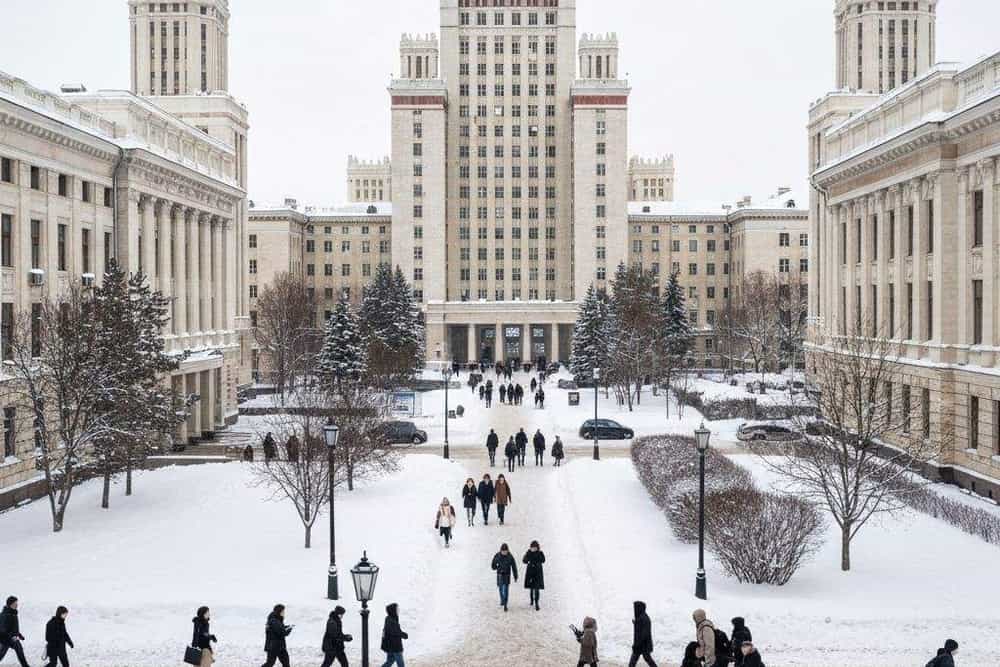
University Overview: South Ural State Medical University (SUSMU), Chelyabinsk
South Ural State Medical University (SUSMU), located in Chelyabinsk, Russia, is a prominent public medical institution established in 1944. Recognized by the National Medical Commission (NMC) and the World Health Organization (WHO), SUSMU has built a reputation as a preferred destination for Indian students pursuing MBBS abroad. With over 1,500 Indian students enrolled in its programs as of 2026, the university combines affordability, global recognition, and a structured academic environment tailored to international aspirants.
Academic Programs and Infrastructure
SUSMU offers a 6-year MBBS program (including 1 year of clinical training) taught entirely in English, eliminating language barriers for non-Russian speakers. The curriculum aligns with international standards, preparing students for licensing exams like the Foreign Medical Graduate Examination (FMGE) in India and the United States Medical Licensing Examination (USMLE). The university operates a teaching hospital with modern facilities, ensuring hands-on clinical exposure from the early stages of training.
Key achievements include:
-
Over 30 research schools collaborating with global institutions.
-
Recognition for innovation in medical education and research.
-
A focus on practical training through affiliated hospitals and laboratories.
Why Indian Students Choose SUSMU
-
Affordable Education: While exact fees for 2026–27 are pending, MBBS programs in Russian government universities like SUSMU typically start at ₹2.6 lakh/year (approximately ₽250,000), significantly lower than private Indian colleges (₹1.5 crore/year). Hostel accommodation and living costs are also budget-friendly.
-
NMC Recognition: Graduates are eligible to appear for the FMGE, with historical pass rates ranging between 76–94% across Russian universities.
-
Simplified Admission: Indian students require only a valid NEET score (minimum 50% for general category) and 10+2 with 50% in PCB. No additional entrance exams like IELTS or TOEFL are mandatory.
-
Indian-Friendly Environment: Hostels provide Indian cuisine options, and a strong Indian student community offers peer support.
Climate and Location
Chelyabinsk experiences a humid continental climate, with summers averaging 20–25°C and winters dropping to -15°C. While the cold may be challenging for some, the university ensures well-maintained, heated hostel facilities with disciplined living conditions. The city balances academic rigor with cultural exposure, offering students a chance to adapt to diverse environments.
Scholarships and Support Services
SUSMU provides scholarship opportunities to meritorious students, reducing financial burdens. The university also assists with:
-
Visa processing and airport pickup (availability unconfirmed in data).
-
Document verification for admission.
-
Orientation programs for international students.
Challenges and Considerations
-
FMGE Preparation: While SUSMU’s curriculum is, Indian students must independently prepare for the FMGE, as the university does not offer dedicated coaching.
-
Climate Adaptation: Winter temperatures may require additional clothing and adjustment.
Quick Facts (2026)
| Parameter | Details |
|---|---|
| Established | 1943 |
| MBBS Duration | 6 years |
| Annual Fees (Approx.) | ₹2.6 lakh/year (₽250,000) |
| Language of Instruction | English |
| NMC/WHO Recognition | Yes |
| Indian Students Enrolled | 1,500+ (as of 2026) |
| Hostel Facilities | Available with Indian food |
South Ural State Medical University remains a strategic choice for Indian students seeking quality medical education abroad in 2026. Its combination of affordability, global recognition, and student-centric policies solidifies its position among Russia’s top medical institutions.
MBBS Syllabus at Chelyabinsk Medical College
The verified year-wise curriculum for Chelyabinsk Medical College is being confirmed with the university. See the typical MBBS syllabus in Russia
Frequently Asked Questions
Common questions about Chelyabinsk Medical College