Metsnierebi University - MBBS Fees, Admission & Eligibility 2026MBBS Fees, Admission & Eligibility 2026
Complete guide to study MBBS at Metsnierebi University. NMC approved medical university in Georgia. Annual fees: $4,000.
Key Information
Fee Structure
Quick Facts
Admission Info
Climate in Tbilisi
Monthly Cost of Living
Metsnierebi University Fee Structure 2026-2027
| Year | Tuition (USD) | Tuition (INR) | Hostel+Mess (USD) | Hostel (INR) | Total/Year |
|---|---|---|---|---|---|
| Year 1 | $4,000 | ₹340K | $1,400 | ₹119K | $5,400 |
| Year 2 | $4,000 | ₹340K | $1,400 | ₹119K | $5,400 |
| Year 3 | $4,000 | ₹340K | $1,400 | ₹119K | $5,400 |
| Year 4 | $4,000 | ₹340K | $1,400 | ₹119K | $5,400 |
| Year 5 | $4,000 | ₹340K | $1,400 | ₹119K | $5,400 |
| Year 6 | $4,000 | ₹340K | $1,400 | ₹119K | $5,400 |
| Total (6 Years) | $24,000 | ₹20.4L | $8,400 | ₹7.1L | $32,400 ≈ ₹27.5 Lakhs |
* Fees are indicative for 2026-2027 intake. Actual fees may vary. Contact us for latest fee structure. Hostel fees are estimated based on average costs.
Monthly Living Cost in Georgia
| Expense Category | USD/Month | INR/Month |
|---|---|---|
| Accommodation (off-campus) | $100 – $250 | ₹8,500 – ₹21,250 |
| Food & Groceries | $100 – $200 | ₹8,500 – ₹17,000 |
| Transportation | $10 – $30 | ₹850 – ₹2,550 |
| Utilities (electricity, internet) | $30 – $50 | ₹2,550 – ₹4,250 |
| Study Materials & Books | $20 – $50 | ₹1,700 – ₹4,250 |
| Health Insurance & Medical | $20 – $40 | ₹1,700 – ₹3,400 |
| Miscellaneous & Personal | $20 – $80 | ₹1,700 – ₹6,800 |
| Total Monthly Estimate | $300 – $700 | ₹25,500 – ₹59,500 |
* Average monthly living costs for Indian medical students in Georgia. Hostel students typically spend less on accommodation.
Accommodation & Hostel
Rating Breakdown
University Overview: Metsnierebi University, Georgia
For Indian students aspiring to become doctors, choosing the right medical university abroad is a significant decision. Georgia has emerged as a popular destination, offering quality medical education at an affordable cost. Metsnierebi University in Georgia is one such institution that warrants consideration for your MBBS journey in 2026.
About Metsnierebi University
Metsnierebi University is located in Tbilisi, Georgia. The university offers an English-medium MBBS program, making it accessible for Indian students. The university is recognized by the National Medical Commission (NMC) and listed in the World Health Organization (WHO) directory, ensuring that graduates are eligible to appear for the FMGE (Foreign Medical Graduate Examination) in India and pursue their medical careers.
Why Choose Metsnierebi University?
- Affordable Tuition Fees: Studying MBBS at Metsnierebi University offers high-quality education without the hefty price tag often associated with private medical colleges in India. The average yearly MBBS fee is approximately 4,000 USD, which translates to roughly INR 3 to 8 Lacs, making it a financially viable option for many Indian families.
- English-Medium Program: The entire MBBS program is taught in English, eliminating the language barrier for Indian students. This allows students to focus on their studies and clinical training without the added stress of learning a new language.
- Globally Recognized Degree: A medical degree from Metsnierebi University is internationally recognized, opening doors to career opportunities worldwide.
- Safe Environment: Georgia is considered a safe country, providing a secure environment for international students.
- FMGE Performance: Georgia has shown promising FMGE results in recent years. In 2024, the FMGE passing percentage for students graduating from Georgian universities was 35.65%. A total of 4,221 students appeared for the FMGE, and 1,505 students cleared the exam.
Academic Reputation and FMGE Performance
The FMGE (Foreign Medical Graduate Examination) is a examination for Indian students who obtain their MBBS degrees from foreign medical universities. Clearing the FMGE is mandatory for practicing medicine in India. While specific FMGE data for Metsnierebi University is not provided, Georgia as a country had a 35.65% passing percentage in 2024. This information is important for prospective students to consider when evaluating the quality of education and the preparedness for the FMGE offered by medical universities in Georgia.
Admission Information
For the 2026-2027 academic year, MBBS admissions in Georgia are officially open, and many universities are already accepting applications. It is advisable to consult reputable and verified counseling agencies for guidance on the admission process.
Key Considerations for Indian Students
- NEET Qualification: While the research data does not explicitly state the NEET cutoff for Metsnierebi University, it is generally required that Indian students qualify for the NEET exam to be eligible for MBBS admission abroad.
- University Recognition: Ensure that Metsnierebi University is recognized by the NMC and WHO to guarantee the validity of your degree in India and internationally.
- FMGE Preparation: Inquire about the availability of structured FMGE preparation programs at the university.
- Authorized Admission Offices: Apply through authorized admission offices to avoid any fraudulent activities.
Conclusion
Metsnierebi University in Georgia presents a viable option for Indian students seeking an affordable and globally recognized MBBS degree. With its English-medium program, NMC and WHO recognition, and a safe environment, it offers a conducive environment for medical education. However, students should carefully consider the FMGE performance and other factors before making their final decision for the 2026 intake.
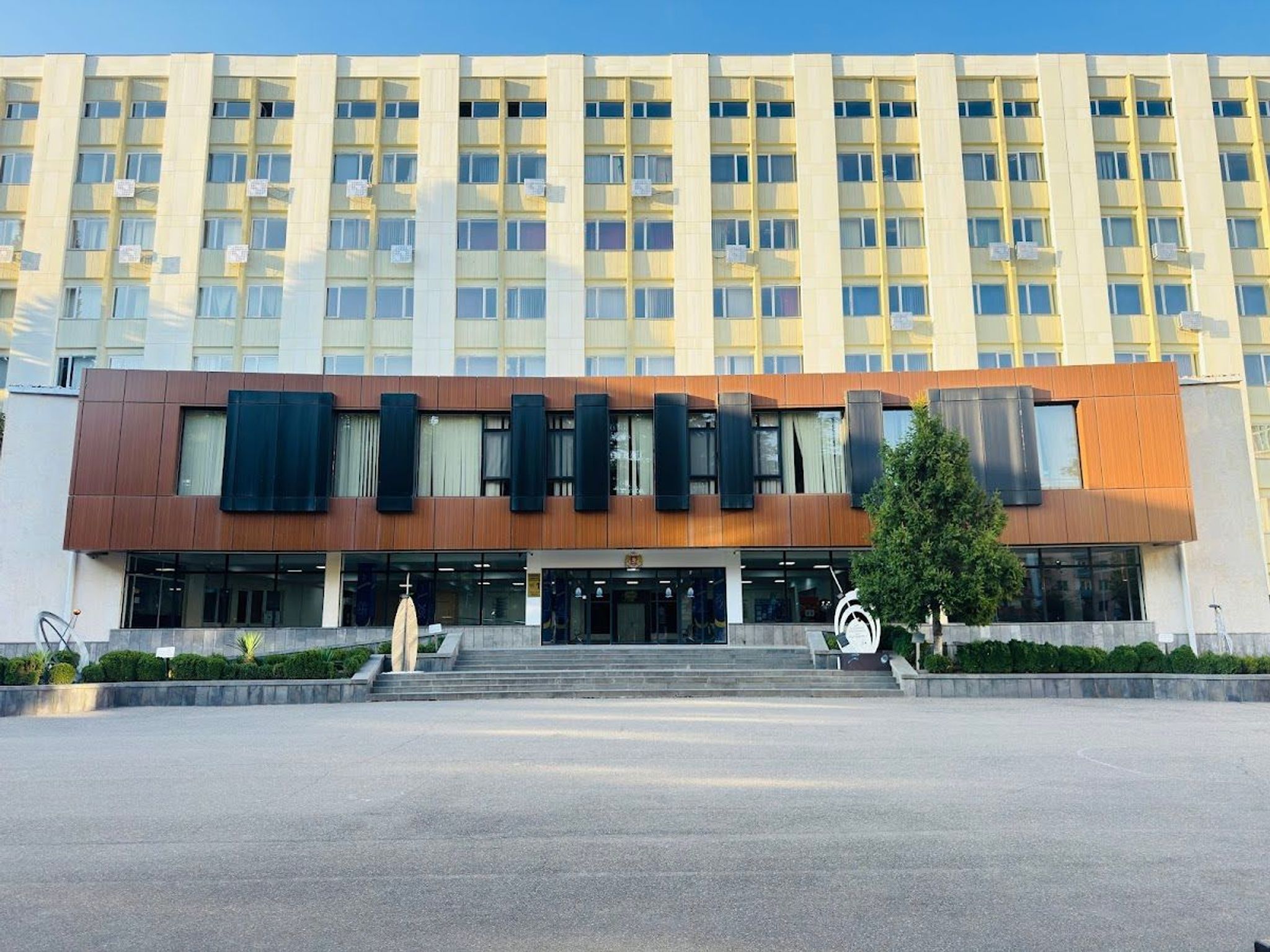
Campus Gallery
Explore Metsnierebi University facilities, campus, and student life


MBBS Syllabus at Metsnierebi University
The verified year-wise curriculum for Metsnierebi University is being confirmed with the university. See the typical MBBS syllabus in Georgia
What Students Say
A prestigious and well-equipped institution for medical education! 🩺📚 Tbilisi State Medical University (TSMU) is one of Georgia’s top medical schools, offering a high standard of education for both local and international students. The campus is well-maintained, with modern classrooms, laboratories, and libraries that provide an excellent learning environment. The faculty are highly knowledgeable, supportive, and approachable, making it easier for students to understand complex medical subjects. The university also emphasizes practical learning, with well-equipped labs and clinical exposure, which is invaluable for aspiring doctors. The administrative staff are helpful and responsive, assisting students with admissions, documentation, and other needs efficiently. The campus also has good facilities, including cafeterias, common areas, and easy access to public transport, making student life comfortable. For international students, TSMU is very welcoming and provides necessary guidance to adapt to life in Tbilisi. Overall, it’s a highly reputable university with a strong focus on academic excellence, practical skills, and student support — a great choice for anyone pursuing a career in medicine! 🌟🩺
Manoj KA
Tsmu is becoming better year by year and it’s such a really good university It need to be better tbh but I’m glad atleast they are working on it 🩵
Moath Adnan
One of best university in Georgia for medical studies, having international students from many countries. Witnessed great ceremony - convocation with nice gesture.
Haroon Navash
Frequently Asked Questions
Common questions about Metsnierebi University