
MBBS in Kazakhstan 2026: Fees, NMC Recognition, Top Universities
Neha Tripathi
Author
Share this article
Quick answer: MBBS in Kazakhstan for Indian students costs roughly ₹18–25 lakh for the complete course — tuition of about $3,500–$6,500 (₹3–5.5 lakh) per year, plus hostel and living expenses. The General Medicine programme is taught in English, runs about five years followed by an internship, and graduates of NMC-compliant, WDOMS-listed universities can appear for the FMGE and practise in India after clearing it.
That one paragraph answers the three questions most families ask first: what it costs, how long it takes, and whether the degree works in India. The rest of this guide fills in the detail — eligibility, a fee breakdown you can actually budget with, the universities worth shortlisting, and an honest comparison with Russia, Kyrgyzstan and Uzbekistan.
Kazakhstan sits in an interesting middle lane among MBBS-abroad destinations. It is the largest economy in Central Asia, its two main cities (Almaty and Astana) are modern and well connected to India, and its government medical universities have been enrolling international students for years. It is not a shortcut — the FMGE still stands between every foreign graduate and an Indian medical licence — but for students priced out of private colleges in India, it deserves a serious look. You can browse Kazakhstan's full country profile alongside this article.
🩺 Confused about MBBS abroad? Book free counselling with our experts, find colleges for your NEET score with the MBBS College Predictor, or calculate your total cost.
Why Indian Students Are Choosing Kazakhstan for MBBS
Three practical reasons keep coming up in counselling conversations:
- Cost: Private MBBS seats in India commonly cost ₹60 lakh to over ₹1 crore. Kazakhstan's complete course, including living costs, typically lands in the ₹18–25 lakh band — a fraction of that.
- Proximity: Almaty is a direct flight of roughly three to four hours from Delhi. Compared with the Philippines or Georgia, going home for holidays — or parents visiting — is genuinely feasible.
- English-medium government universities: Several of Kazakhstan's medical universities are state institutions with established English-medium tracks for international students, rather than new private colleges built around the Indian market.
Eligibility and NEET Requirement for MBBS in Kazakhstan
The baseline criteria for Indian students in 2026:
- NEET qualification is mandatory. Under NMC regulations, any Indian student joining MBBS abroad must have qualified NEET-UG. Your NEET result is checked at admission, at visa stage, and again when you return to register in India. Without it, the degree cannot lead to an Indian licence.
- Class 12 with PCB: Physics, Chemistry and Biology, generally with at least 50% aggregate in PCB for the general category (40% for reserved categories, in line with Indian norms).
- Age: At least 17 years old by 31 December of the admission year.
- English proficiency: Most Kazakh universities do not demand IELTS/TOEFL from Indian students who studied in English medium, though some may run their own screening or interview. Confirm with the university directly.
One more requirement that families often miss: the NMC's Foreign Medical Graduate Licentiate (FMGL) Regulations, 2021 require the foreign course to run at least 54 months, be taught in English, and include a 12-month internship at the same institution, with the graduate eligible to register as a doctor in that country. Before paying any fee, ask the university in writing how its programme structure maps to these requirements.
Planning MBBS abroad?
Get a free counselling call — we'll shortlist NMC-approved universities for your NEET score and budget.
MBBS in Kazakhstan Fees and Total Cost (2026)

Photo: kaboompics.com / Pexels
Tuition in Kazakhstan is charged in US dollars and differs by university and city. The figures below are indicative ranges — treat them as a planning band, not a quotation, and confirm the current year's fee with the university before admission.
| Expense head | Approx. per year | Approx. 5-year total |
|---|---|---|
| Tuition fee | $3,500–$6,500 (₹3–5.5 lakh) | ₹15–27 lakh* |
| University hostel | $500–$1,200 (₹0.4–1 lakh) | ₹2–5 lakh |
| Food and daily living | $120–$250/month (₹1.2–2.5 lakh/yr) | ₹6–12 lakh |
| Medical insurance, visa renewals, misc. | ₹30,000–₹60,000 | ₹1.5–3 lakh |
| Flights (2 round trips/year, typical) | ₹40,000–₹80,000 | ₹2–4 lakh |
*Most students end up in the middle of these bands, which is how the commonly quoted ₹18–25 lakh all-in figure for the full course arises. Students who pick the costliest universities in Almaty and travel frequently can exceed it; frugal students at lower-fee universities can come in under it.
A few budgeting notes from families who have been through this:
- The first year is the most expensive — one-time admission and registration charges, initial visa and travel, warm clothing for winter, and hostel deposits all stack up.
- The Kazakh tenge fluctuates against the dollar and rupee; since fees are usually dollar-denominated, budget with a small currency buffer.
Course Structure: English-Medium MBBS in 5 Years
Kazakhstan's medical degree is formally called General Medicine, equivalent to MBBS. The typical structure for international students is five years of academic study followed by an internship, with the early years focused on pre-clinical subjects (anatomy, physiology, biochemistry) and the later years on clinical rotations in affiliated hospitals.
Two practical points here:
- Classroom English, hospital reality: Lectures and exams on the international track are in English, but patients in Kazakh hospitals speak Kazakh or Russian. Universities run basic language modules, and students who take them seriously get far more out of clinical years. This is true across Central Asia and Russia, not unique to Kazakhstan.
- Internship at the same institution: Because the NMC's 2021 regulations expect the 12-month internship to be completed at the same foreign institution, confirm the university's internship arrangement in writing rather than assuming you can return to India early.
NMC and FMGE: Is a Kazakhstan MBBS Valid in India?
This is the section to read twice, because it is where the YMYL stakes are.
- There is no NMC "approved list" of foreign universities. What the NMC requires is that your university is listed in the World Directory of Medical Schools (WDOMS) and that your course meets the FMGL Regulations, 2021 (duration, English medium, internship, local registration eligibility). Verify the WDOMS listing yourself at wdoms.org — it takes two minutes.
- After graduating, you must clear the FMGE (Foreign Medical Graduate Examination) to register and practise in India. The FMGE is a genuinely tough screening test — national pass percentages across all countries have mostly stayed in the 20–35% band over recent years. Your outcome depends far more on your own study discipline through the five years than on which country you chose.
- The proposed NExT exam has been deferred — as of 2026, FMGE remains the operative screening test for foreign graduates. Treat any consultant telling you otherwise as a red flag.
- Note the correct regulator's name: the National Medical Commission (NMC) replaced the Medical Council of India (MCI) in 2020. Agents still using "MCI approved" in their marketing are working from an outdated script.
Our FMGE guide covers the exam pattern, syllabus mapping and preparation timeline in depth — bookmark it before you fly, not after you graduate.
Top Medical Universities in Kazakhstan for Indian Students

Photo: Sarowar Hussain / Pexels
The universities below are established, WDOMS-listed institutions that admit international students. Fee figures are indicative annual tuition for the English-medium General Medicine programme — confirm current fees with the university, as they are revised periodically.
| University | City | Indicative annual tuition |
|---|---|---|
| Astana Medical University | Astana | $4,000–$5,500 |
| S.D. Asfendiyarov Kazakh National Medical University | Almaty | $4,500–$6,500 |
| Al-Farabi Kazakh National University (Faculty of Medicine) | Almaty | $4,000–$6,000 |
| Karaganda Medical University | Karaganda | $3,800–$5,000 |
| Semey Medical University | Semey | $3,500–$4,500 |
| West Kazakhstan Marat Ospanov Medical University | Aktobe | $3,500–$4,800 |
| South Kazakhstan Medical Academy | Shymkent | $3,500–$4,500 |
How to shortlist between them:
- Almaty universities (Asfendiyarov, Al-Farabi) offer the biggest city, the mildest winters and the largest international community — at the highest fees and living costs.
- Astana Medical University gives you the capital's infrastructure but also its severe winters.
- Karaganda, Aktobe, Semey and Shymkent are smaller cities with lower living costs; the trade-off is fewer amenities and a smaller Indian community.
Compare these against options in other countries on our universities directory before locking a choice — the right question is never "which Kazakh university" but "which university anywhere fits my budget and FMGE plan best".
Safety, Weather and Daily Life
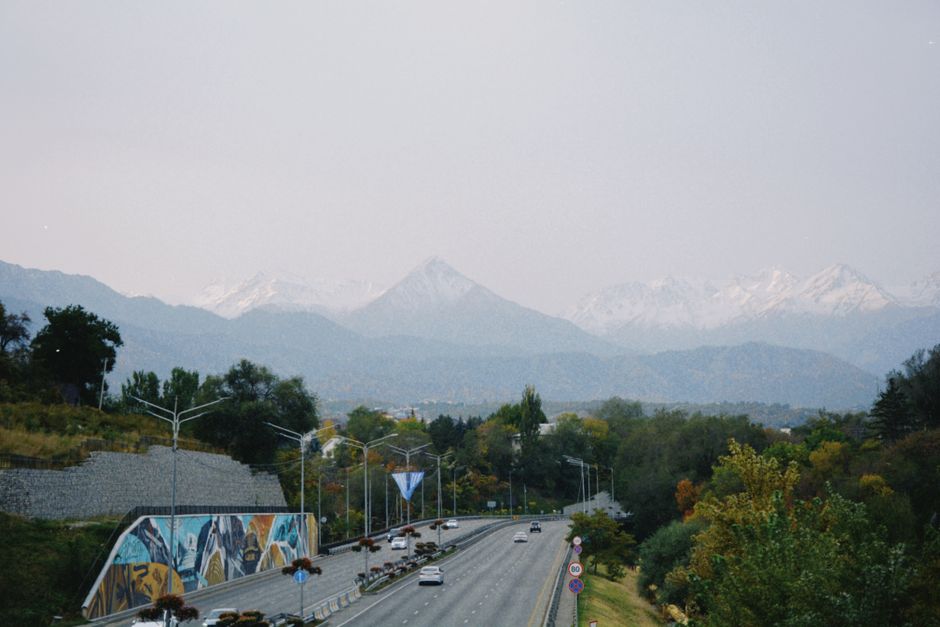
Photo: Aibek Skakov / Pexels
Kazakhstan is politically stable and generally safe for international students; universities house first-year students in hostels with standard security, and the usual big-city precautions apply in Almaty and Astana as they would in any large Indian metro.
The honest challenges are climatic and cultural:
- Winter is serious. Astana is one of the coldest capital cities in the world, with winter temperatures that can fall below −20°C. Almaty and Shymkent in the south are noticeably milder. Budget ₹20,000–₹40,000 for proper winter clothing and take it seriously.
- Food: University cities with Indian student populations have Indian mess arrangements and grocery stores; vegetarians manage fine with some self-cooking. Hostels typically have shared kitchens.
- Connectivity: Direct Delhi–Almaty flights make emergencies and holidays manageable — a genuine, underrated advantage over farther destinations.
Kazakhstan vs Russia, Kyrgyzstan and Uzbekistan: Pros and Cons
Since most families shortlist across Central Asia and Russia together, here is the fair comparison:
Choose Kazakhstan if you want the strongest economy and city infrastructure in Central Asia, a short direct flight home, and established state universities — and your budget stretches to ₹18–25 lakh.
Kyrgyzstan is usually the cheaper option — complete-course budgets often run a few lakh lower — and it has a longer history with Indian students, but its cities and economy are smaller. See our Kyrgyzstan guide for the detailed picture.
Russia offers older, larger medical universities at broadly comparable fees, but many programmes shift substantially into Russian for clinical years, and payment channels and logistics have been more complicated in recent years. Details in our Russia guide.
Uzbekistan has been marketing aggressively to Indian students recently, often through new institutional tie-ups; it can work out cheaper, but the international-student track record is shorter than Kazakhstan's established universities.
Kazakhstan's genuine cons: harsh winters in the north, the Kazakh/Russian language layer in hospitals, variation in quality between universities, and — as with every foreign destination — the FMGE hurdle at the end. No consultant should wave any of these away.
FAQs: MBBS in Kazakhstan for Indian Students
Q1: Is MBBS in Kazakhstan valid in India? A: Yes — provided your university is listed in the World Directory of Medical Schools and your course meets the NMC's FMGL Regulations, 2021 (54+ months, English medium, 12-month internship at the same institution). You must then clear the FMGE to register and practise in India.
Q2: What is the total cost of MBBS in Kazakhstan? A: Plan for roughly ₹18–25 lakh for the complete course, covering tuition (about $3,500–$6,500 a year), hostel, food, insurance and flights. Almaty's top universities sit at the upper end; smaller cities at the lower end.
Q3: Is NEET compulsory for MBBS in Kazakhstan? A: Yes. NEET-UG qualification is mandatory for every Indian student joining MBBS abroad, and it is verified again when you return to India for FMGE and registration.
Q4: How many years is MBBS in Kazakhstan? A: The General Medicine programme runs about five years of academic study followed by an internship. Confirm with your university that the internship structure satisfies the NMC's 12-month same-institution requirement.
Q5: Is Kazakhstan safe for Indian students? A: Yes, Kazakhstan is politically stable and its universities house international students in secure hostels. The bigger adjustment is the winter — northern cities like Astana regularly see temperatures below −20°C — rather than safety.
Next Steps
If Kazakhstan fits your budget band, do three things this week: verify your shortlisted universities on WDOMS, get each university's current fee letter and internship structure in writing, and read the FMGE guide so you plan the exam from year one rather than year five. For side-by-side comparison with other countries, start at our universities directory and the Kazakhstan country page.
Q6: What is the age limit for MBBS in Kazakhstan? A: You must be at least 17 years old in the admission year — this comes from NEET eligibility rules, and NEET qualification is mandatory for every Indian student joining MBBS abroad. There is no strict upper age limit at most Kazakh universities, so students taking a drop year or switching careers can still apply. Always confirm the specific university's admission policy before finalising.
Q7: What are the benefits of studying MBBS in Kazakhstan? A: The main benefits are affordability — roughly ₹18–25 lakh for the complete course including living costs — English-medium teaching, and government medical universities that have enrolled international students for years. Almaty and Astana are modern cities well connected to India by air. Graduates of NMC-compliant, WDOMS-listed universities can appear for the FMGE and practise in India after clearing it.
Q8: Which are the best MBBS universities in Kazakhstan for Indian students? A: The government medical universities in Kazakhstan's major cities — Almaty, Astana and other established centres — are the ones Indian students typically shortlist, given their state backing and longer international-student history. Judge each on its English-medium programme, hostel support and graduates' FMGE performance, and verify it is WDOMS-listed and meets NMC norms before paying any fee.
Q9: What is the duration of MBBS in Kazakhstan? A: The General Medicine programme in Kazakhstan runs about five years, followed by an internship — so plan for roughly six years overall before you are ready to return and attempt the FMGE. The course is taught in English at the universities Indian students join. Ensure the total structure meets NMC's minimum duration and internship requirements at your chosen university.
Q10: Can I get an education loan for MBBS in Kazakhstan? A: Yes. Indian public and private banks, along with NBFCs, offer education loans for MBBS abroad, and Kazakhstan's relatively low total cost of roughly ₹18–25 lakh makes the loan amount manageable. You will typically need a confirmed admission letter, a co-applicant, and often collateral for larger amounts. Compare interest rates and moratorium terms across two or three lenders before committing.
📍 Planning your MBBS in kazakhstan? Our complete guide covers every NMC-approved university, real fees, FMGE pass rates and the step-by-step admission process.
Read the complete MBBS in kazakhstan guide →Get Free Expert Guidance
Our FMGE-qualified counselors will help you choose the right university based on your NEET score and budget.
No spam. Your data is secure. We call during 9 AM - 8 PM IST.
Frequently Asked Questions
About the Author
Neha Tripathi
Neha Tripathi is a content writer at iAMBBS, focused on MBBS-abroad guidance for Indian students — covering NMC-approved universities, fees, FMGE, and admissions.