MBBS in Russia for Indian Students 2026: Fees, NEET, Universities
Neha Tripathi
Author
Share this article
MBBS in Russia costs approximately ₹20–40 lakh for the full six-year course (tuition plus living expenses), is offered in English-medium at long-established state medical universities, requires NEET qualification, and leads to a degree that is accepted for FMGE — the licensing exam every foreign medical graduate must clear to practise in India. Russia has trained Indian doctors since the Soviet era, and it still hosts one of the largest Indian MBBS-abroad cohorts of any country. It remains among the most affordable major destinations in 2026 — but the gap between a sound decision and an expensive mistake almost always comes down to which university you join and whose advice you trusted while choosing it.
This guide gives you the complete, honest picture: eligibility, real costs by university tier, the language question most agents skip, the cold, the FMGE numbers as they actually are, and how to tell a genuine state university from an agent-driven trap.
🩺 Confused about MBBS abroad? Book free counselling with our experts, find colleges for your NEET score with the MBBS College Predictor, or calculate your total cost.
Eligibility for MBBS in Russia: NEET and Admission Requirements
The entry bar for Russian medical universities is lower than for Indian government colleges, but there are non-negotiables:
- NEET qualification is mandatory. Under National Medical Commission (NMC) rules, any Indian student joining MBBS abroad must have qualified NEET to be eligible for FMGE later. A qualifying score is enough — you do not need a high rank — but without NEET, your degree becomes unusable in India.
- Class 12 with Physics, Chemistry and Biology, with at least 50% aggregate in PCB (40% for reserved categories), matching the standard NMC eligibility norms.
- Minimum age of 17 years by 31 December of the admission year.
- A valid passport and medical fitness certificate for the visa and enrolment process.
Most state universities admit on the strength of your application file — marksheets, NEET scorecard, passport — rather than a separate entrance test, though some top Moscow and St Petersburg institutions conduct their own screening or interviews. Intake is typically in September–October, so serious applicants start their paperwork by May–June.
One document habit that pays off later: keep every official admission letter, fee invoice and medium-of-instruction certificate safely filed. The NMC and FMGE process will ask for them years down the line.
MBBS in Russia Fees 2026: What Six Years Really Cost

Photo: Valentin Ivantsov / Pexels
Russian universities set fees in roubles, so the rupee figure moves with the exchange rate — treat everything below as an approximate planning range, and confirm the current official fee on the university's own website before paying anyone.
| University tier | Typical examples | Tuition per year (approx.) | Six-year total incl. living (approx.) |
|---|---|---|---|
| Premium metro universities | Sechenov (Moscow), Pirogov RNRMU (Moscow), First St Petersburg (Pavlov) | ₹6–9 lakh | ₹40 lakh or more |
| Established regional state universities | Kazan SMU, Bashkir SMU, Volgograd SMU, Kursk SMU | ₹3.5–5.5 lakh | ₹28–38 lakh |
| Budget regional state universities | Orenburg SMU, Perm SMU, Tver SMU | ₹2.5–4 lakh | ₹20–30 lakh |
A few cost realities beyond tuition:
- Hostel fees are low by Indian standards — often well under ₹1 lakh per year at regional state universities, though premium Moscow institutions charge more.
- One-time costs add up in year one: visa and invitation-letter charges, airfare, medical insurance (mandatory annually), document translation and notarisation, and winter clothing. Budget roughly ₹1.5–2.5 lakh extra for the first year.
- Compare that with India: private medical seats at Indian colleges commonly run into far higher totals, which is precisely why Russia keeps attracting students who clear NEET but miss a government seat.
If an agent quotes you a "package" meaningfully above the fee published on the university's official site, that difference is going to the agent — more on this below.
Planning MBBS abroad?
Get a free counselling call — we'll shortlist NMC-approved universities for your NEET score and budget.
The Six-Year English-Medium MBBS: Course Structure and the Language Caveat
The Russian medical degree — formally "General Medicine" — runs six years. The first two to three years cover pre-clinical sciences (anatomy, physiology, biochemistry), and the later years move into hospital-based clinical training at the university's affiliated hospitals.
Now the caveat that matters. Many Russian universities run dedicated English-medium divisions for international students, but patients in Russian hospitals speak Russian. From your clinical years onward, you cannot take a history or follow ward rounds without functional Russian, which is why universities teach the Russian language as a compulsory subject in the early years. Take those classes seriously — students who coast through them struggle badly in years four to six.
There is also a regulatory angle. The NMC's Foreign Medical Graduate Licentiate Regulations, 2021 expect the entire course, including clinical training, to be delivered in English medium, along with a minimum course duration of 54 months plus a 12-month internship in the same institution. Before admission, get written confirmation that your programme is fully English-medium and structured to meet these norms — and keep that letter. If a university offers only a "bilingual" or Russian-medium track for your batch, that is a compliance risk you do not want.
Living in Russia: Cold, Costs and Daily Realities
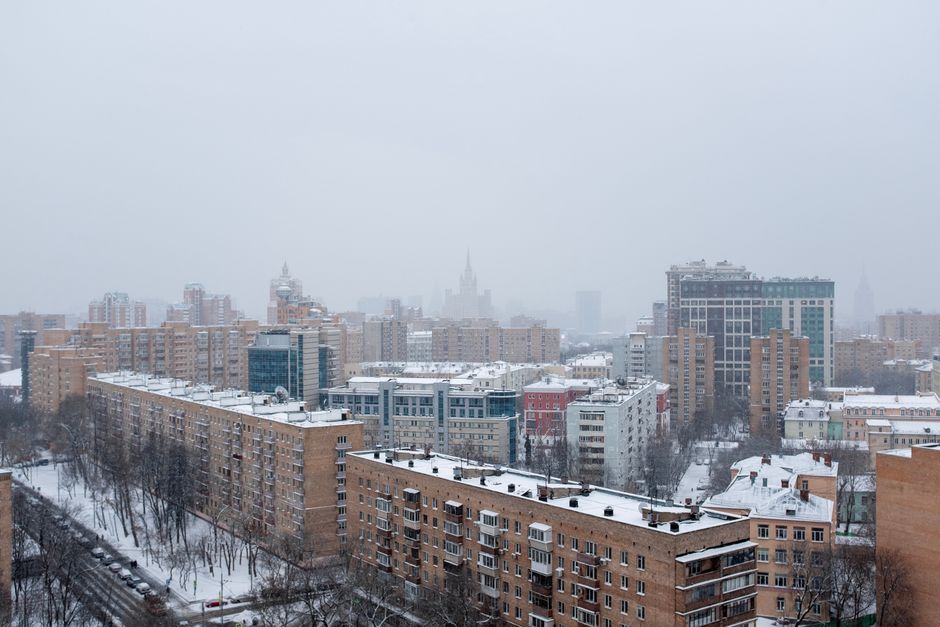
Photo: Arthur Shuraev / Pexels
Let us be honest about the winter, because glossy brochures are not. In most university cities, winter temperatures routinely sit between −10°C and −25°C, with short daylight hours from November to February. The compensation: Russian buildings are built for it. Hostels, classrooms, and public transport are properly heated, and students adapt faster than they expect. You will need genuine winter gear — a proper insulated jacket, boots and layers — which is cheaper to buy in Russia than to carry from India.
Monthly living costs are modest: roughly ₹15,000–25,000 covers food, local transport and phone in most regional cities, with Moscow and St Petersburg costing more. Cities with large Indian cohorts — Kazan, Volgograd, Tver, Orenburg — have Indian mess services and grocery options, which makes a real difference to daily life.
Two practical realities to plan for in 2026, stated neutrally:
- Banking: International Visa and Mastercard cards issued in India do not currently work inside Russia. Students open a local bank account with a Mir card after arrival, and families typically send fees and living money through the transfer channels the university's international office recommends. Sort this out in your first weeks — do not depend on carrying large amounts of cash.
- Travel: Direct flights operate between India and Moscow, but overall route options are fewer than they once were, so fares can be higher in peak admission season. Book early and confirm current visa processing timelines with the Russian consulate.
NMC Recognition and the FMGE Track Record: The Honest Picture
Russian state medical universities listed in the World Directory of Medical Schools (WDOMS) produce graduates eligible to sit the FMGE, provided the student met NEET and course-structure norms. Note the terminology: recognition in India is governed by the NMC, which replaced the Medical Council of India in 2020 — any agent still talking about "MCI-approved universities" is reading from an old script.
Here is the part every serious aspirant deserves to hear straight. The FMGE is hard, and most candidates do not clear it on their first attempt. Across recent sessions, the overall pass percentage has swung roughly between 10% and 35%, and Russia-trained graduates have broadly tracked near the overall average. The exam tests the entire MBBS syllabus against Indian clinical standards, and six years is a long time to drift if you treat FMGE preparation as a final-year problem.
The students who clear it tend to share habits: they align their study with the FMGE syllabus from the early years, use Indian standard textbooks alongside university material, and take their clinical postings seriously instead of outsourcing attendance. Our FMGE guide covers the syllabus, attempt rules and a preparation timeline in detail.
On NExT: the National Exit Test has been proposed as an eventual common licensing exam, but it stands deferred, and no implementation date is confirmed. In 2026, FMGE remains the exam for foreign graduates. Be wary of anyone using NExT speculation — in either direction — as a sales pitch.
Top State Medical Universities in Russia for Indian Students
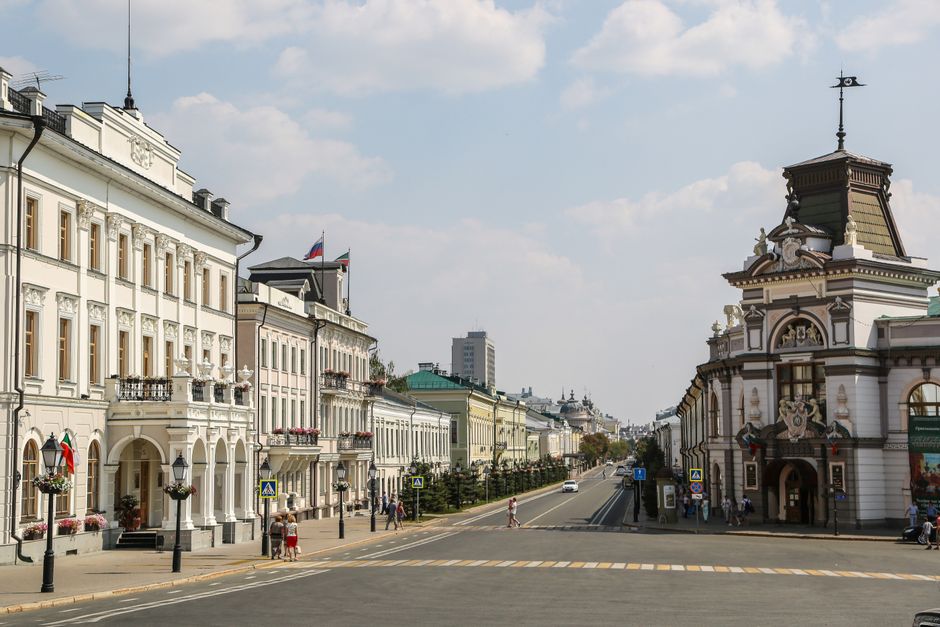
Photo: Dmitry Sidorov / Pexels
These are long-established, WDOMS-listed state universities with substantial Indian student communities. Fee figures are approximate annual tuition; always verify against the official university source for the current year.
| University | City | Approx. tuition/year | Known for |
|---|---|---|---|
| Kazan State Medical University | Kazan | ₹4–5.5 lakh | Strong academics, large Indian community, well-connected city |
| Bashkir State Medical University | Ufa | ₹3.5–5 lakh | Big international division, affordable living |
| Volgograd State Medical University | Volgograd | ₹3.5–5.5 lakh | Decades of experience teaching foreign students |
| Kursk State Medical University | Kursk | ₹4–5.5 lakh | One of the older English-medium programmes for internationals |
| Orenburg State Medical University | Orenburg | ₹2.5–4 lakh | Budget-friendly, sizeable Indian cohort |
| Tver State Medical University | Tver | ₹2.5–4 lakh | Proximity to Moscow, moderate costs |
| Perm State Medical University | Perm | ₹2.5–4 lakh | Low fees, established clinical base |
| Sechenov University | Moscow | ₹6–9 lakh | Russia's flagship medical university, premium option |
You can compare these institutions on fees, hostel and student mix on our universities directory, and see the full country picture on our MBBS in Russia page.
How to Choose a Genuine State University (and Avoid Agent Traps)
Most bad MBBS-in-Russia outcomes are not about Russia — they are about who did the choosing. Run every option through this checklist:
- Verify the university on WDOMS yourself. Search the World Directory of Medical Schools directly; do not accept a screenshot from an agent.
- Confirm it is a state (government) university. Russia's credible medical education for foreigners runs through state universities. Be sceptical of newly branded "international campuses" or intermediary institutes riding on a bigger university's name.
- Cross-check the fee on the university's official website. If the agent's package is far above the official tuition plus hostel, ask for a line-item breakup in writing.
- Insist on paying tuition to the university's own account wherever possible, and collect an official university fee receipt for every payment.
- Get the English-medium confirmation in writing for your specific batch and all six years — not a verbal assurance.
- Walk away from guarantees. "100% FMGE pass", "guaranteed admission without NEET", or "degree valid without FMGE" are all false claims. NEET is compulsory, and FMGE has no shortcuts.
- Talk to current Indian students at the university — seniors will tell you about teaching quality, hostels and mess far more honestly than any brochure.
Pros and Cons of MBBS in Russia
Pros
- Total cost of roughly ₹20–40 lakh for six years — far below Indian private college totals
- Long-established state universities with decades of experience teaching international students
- English-medium programmes and large existing Indian student communities
- No high NEET cutoff — a qualifying score opens the door
- Low living costs and safe, well-organised university cities
Cons
- Russian language is essential for clinical years — the "fully English" pitch is only half the story
- FMGE clearance is mandatory and most candidates fail their first attempt without disciplined preparation
- Banking and travel logistics currently need extra planning
- Quality varies across universities — agent-driven choices can land you in weak programmes
FAQs About MBBS in Russia for Indian Students
Q1: Is NEET compulsory for MBBS in Russia? A: Yes. NMC rules require NEET qualification for any Indian student joining MBBS abroad; without it you cannot sit the FMGE or practise in India. A qualifying score is sufficient — no separate cutoff applies for Russian universities.
Q2: Is an MBBS degree from Russia valid in India? A: Yes, provided you study at a WDOMS-listed university, meet the NMC's course norms (including English medium and required duration), and then clear the FMGE. After FMGE, graduates complete an internship in India before full registration.
Q3: What is the total cost of MBBS in Russia? A: Approximately ₹20–40 lakh for the full six years including tuition and living expenses, depending on the university tier — budget regional universities sit near the lower end, and premium Moscow institutions at or above the upper end.
Q4: Do Indian debit and credit cards work in Russia? A: International Visa and Mastercard cards issued in India do not currently work inside Russia. Students open a local account with a Mir card after arrival and route fee payments through the channels their university's international office recommends.
Q5: What is the FMGE pass rate for students returning from Russia? A: Overall FMGE pass percentages have ranged roughly between 10% and 35% across recent sessions, and Russia-trained graduates have generally tracked near that average. Most candidates need serious, syllabus-aligned preparation — ideally started well before the final year — to clear it.
Q6: Which is the best city or university for MBBS in Russia? A: There is no single best option — long-established state medical universities in cities like Moscow, St Petersburg and Kazan are the ones Indian students typically shortlist. Judge a university on its English-medium track record, FMGE results of its graduates and hostel support, and always verify it against the official NMC guidelines and the World Directory of Medical Schools before paying anything.
Q7: What is it like doing MBBS in Russia? A: Doing MBBS in Russia means a roughly six-year, English-medium course at a state medical university, with total costs of approximately ₹20–40 lakh including living expenses. Russia has trained Indian doctors since the Soviet era and hosts one of the largest Indian student cohorts abroad. Expect harsh winters, some Russian-language learning for patient interaction, and the FMGE exam after returning to India.
Q8: How long is the MBBS course in Russia? A: The MBBS-equivalent course (General Medicine) in Russia runs approximately six years, including the practical training component. This aligns with NMC requirements for Indian students, which mandate a minimum course duration with internship for the degree to count towards FMGE eligibility. After returning, you must clear the FMGE and complete any required internship before practising in India.
Q9: Is MBBS in Russia good for Indian students? A: Yes, for students who choose the right university. Russia offers established state medical universities, English-medium teaching, NEET-based admission and total costs of roughly ₹20–40 lakh — far below Indian private colleges. The trade-offs are cold weather, learning basic Russian for clinical years, and the mandatory FMGE after returning. The outcome depends heavily on picking a genuine state university over an agent-driven one.
Russia in 2026 is neither the miracle its promoters describe nor the write-off its critics suggest. For a NEET-qualified student with a ₹20–40 lakh budget, a genuine state university there remains one of the most proven MBBS-abroad routes — if you choose the university yourself, verify everything in writing, and treat FMGE preparation as a six-year project rather than a final-year scramble. Start with our MBBS in Russia country page, shortlist from the universities directory, and read the FMGE guide before you pay anyone a rupee.
📍 Planning your MBBS in russia? Our complete guide covers every NMC-approved university, real fees, FMGE pass rates and the step-by-step admission process.
Read the complete MBBS in russia guide →Get Free Expert Guidance
Our FMGE-qualified counselors will help you choose the right university based on your NEET score and budget.
No spam. Your data is secure. We call during 9 AM - 8 PM IST.
Frequently Asked Questions
About the Author
Neha Tripathi
Neha Tripathi is a content writer at iAMBBS, focused on MBBS-abroad guidance for Indian students — covering NMC-approved universities, fees, FMGE, and admissions.